Understanding Natural Disasters: Earthquakes, Floods, Hurricanes, and Wildfires
**Natural disaster preparedness** is a multifaceted effort, beginning with a deep understanding of the diverse threats our planet poses. Natural disasters are powerful events that can strike with little to no warning, underscoring the critical need for proactive planning. Understanding the different types of disasters, their warning signs, and both personal and community vulnerabilities is the foundational step in effective mitigation and response. This comprehensive approach to **natural disaster preparedness** ensures that individuals and communities are better equipped to face and recover from these formidable challenges.
Earthquakes: Unpredictable Shakes and Seismic Resilience
Earthquakes are sudden shifts in the Earth’s crust that release immense energy, causing the ground to shake, sometimes violently. These tremors are primarily caused by the movement of tectonic plates along fault lines. While major earthquakes are occasionally preceded by smaller tremors, known as foreshocks, these are not always distinguishable from typical seismic activity until a larger quake occurs. The most challenging aspect of earthquake preparedness is the virtually non-existent key warning signs for an impending event, making **natural disaster preparedness** paramount for those in seismically active zones.
Vulnerabilities to earthquakes are diverse. At a personal level, living in areas with unstable geological formations, such as those built on liquefiable soil or near active fault lines, significantly increases risk. Structures not built to seismic standards, particularly older buildings lacking modern reinforcement, are highly susceptible to collapse or severe damage. Furthermore, a lack of emergency supplies or a well-rehearsed family plan can exacerbate the impact on individuals.
On a community level, challenges include densely populated urban areas with a high concentration of older, unretrofitted buildings, and critical infrastructure (bridges, power lines, water pipes) that may not withstand significant ground shaking. Communities in earthquake-prone regions must focus on robust building codes, enforcing these standards rigorously, and investing in the seismic retrofitting of existing structures. Public education campaigns, emphasizing “Drop, Cover, and Hold On” protocols, are essential for ensuring residents know how to protect themselves during an event. Developing comprehensive emergency response plans, including search and rescue capabilities and medical aid, are also vital for **natural disaster preparedness**.
Floods: Rising Waters and Mitigation Strategies
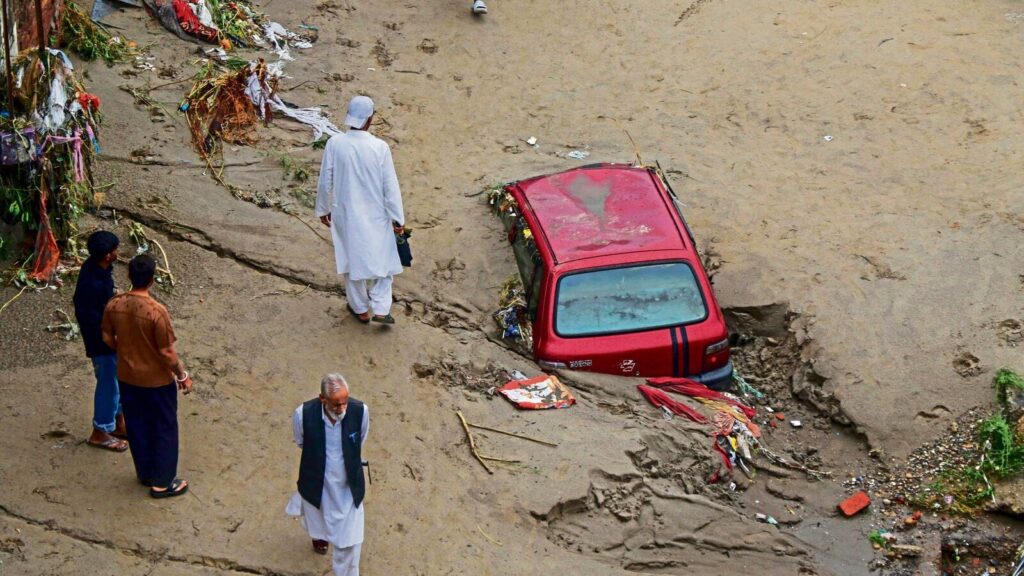
Floods occur when water overflows its typical boundaries, submerging land that is usually dry. These events can be triggered by a variety of factors, including prolonged or intense rainfall, rapid snowmelt from mountains, storm surges pushing ocean water inland, and even dam or levee failures. Warning signs often include official flood watches or warnings issued by meteorological services, alongside visible indicators such as rapidly rising river levels, saturated ground, and overflowing culverts.
Personal vulnerabilities to flooding are often geographically determined. Living in low-lying areas, near rivers, lakes, or coastal zones, or within designated floodplains, inherently increases risk. Residents in such areas need to be particularly vigilant about **natural disaster preparedness**, including understanding their property’s elevation relative to flood levels and having flood insurance.
Community vulnerabilities involve inadequate drainage systems, which struggle to cope with excessive runoff, especially in urbanized areas where impervious surfaces like concrete and asphalt prevent water absorption. Insufficient or poorly maintained levee and dam infrastructure can also lead to catastrophic failures. Effective flood preparedness includes understanding and practicing evacuation routes, securing valuable possessions, elevating utilities, and having a ready emergency kit. Communities must invest in resilient infrastructure, such as green infrastructure to absorb stormwater, and develop early warning systems. For more insights on community resilience and sustainable development, consider exploring topics like India’s Clean Energy Transition which highlights efforts in sustainable development.
Hurricanes: Coastal Threats and Wind Resilience
Hurricanes are massive storm systems that form over warm ocean waters, characterized by powerful rotating winds, torrential rainfall, and devastating storm surges. These tropical cyclones, known as typhoons in the Pacific and cyclones in the Indian Ocean, pose significant threats to coastal regions. Warning signs are typically well-tracked by sophisticated weather agencies, which issue tropical storm watches and warnings, followed by hurricane watches and warnings, as the storm approaches. This allows for critical lead time for **natural disaster preparedness**.
Coastal residents are particularly vulnerable to hurricanes due to the triple threat of storm surge—a wall of water pushed ashore by the storm’s winds—high winds that can devastate structures, and widespread inland flooding from heavy rainfall. These combined effects can lead to severe property damage, loss of life, and long-term disruption.
Communities in hurricane zones face unique challenges such as coastal erosion, extensive damage to critical infrastructure (roads, bridges, power grids), and the logistical complexity of mass evacuations. Preparedness involves securing homes by reinforcing windows and doors, having a comprehensive emergency supply kit, and, most critically, strictly following evacuation orders issued by local authorities. Long-term **natural disaster preparedness** in these areas also includes strict building codes, dune restoration, and elevating homes in flood-prone areas.
Wildfires: Spreading Flames and Forest Management
Wildfires are uncontrolled fires that spread rapidly through natural areas, often fueled by dry vegetation, strong winds, and high temperatures. These fires can ignite naturally from lightning strikes or, more commonly, through human activity. Warning signs can be subtle, such as unusually dry conditions, strong winds, and the presence of smoke or haze in the air, often accompanied by a distinct smell of burning wood. Official red flag warnings from weather services indicate critical fire weather conditions, signaling a heightened risk of fire ignition and rapid spread.
Personal vulnerabilities include living in or near wildland-urban interface (WUI) areas, where homes abut wildlands, making them directly susceptible to fire. Having flammable vegetation close to homes, such as overgrown shrubs or dry grass, creates a direct path for fire. A lack of defensible space—an area around a structure that has been cleared of flammable materials—significantly increases a home’s risk.
Community vulnerabilities include dense, overgrown vegetation in forests and wildlands, which provides ample fuel for fires. Limited access for firefighters due to narrow roads or difficult terrain, and insufficient fire breaks (gaps in vegetation designed to stop fire spread), can hinder suppression efforts. Fire prevention, such as creating defensible spaces around homes, adhering to burn bans, and participating in controlled burns, is crucial. Community-wide **natural disaster preparedness** plans should also include evacuation routes, community shelters, and public education on fire safety. Recognizing these diverse threats and understanding individual and collective vulnerabilities are essential for fostering resilient communities capable of responding effectively when disaster strikes.
Assembling Your Essential Emergency Kits: Home, Car, and Workplace
Effective **natural disaster preparedness** hinges on having access to vital resources when immediate necessities are disrupted. Assembling comprehensive emergency kits, tailored for different environments such as your home, car, and workplace, is a critical step in ensuring your safety and the well-being of your loved ones. Being proactive by preparing these kits can make a significant difference in navigating unforeseen circumstances, from natural disasters to unexpected vehicle breakdowns, providing peace of mind and essential supplies.
Home Emergency Kit: Your Family’s Foundation of Safety
A well-stocked home emergency kit is the cornerstone of **natural disaster preparedness** for your household. It should be designed to sustain your family for a minimum of 72 hours, though a two-week supply is often recommended for more extensive disruptions, such as widespread power outages or extended evacuations Ready.gov – Build a Kit. This kit should be easily accessible, preferably in a designated grab-and-go container like a large duffel bag or rolling bin. Key components include:
- Water Supply: This is paramount for survival. Aim for one gallon of water per person per day for drinking and sanitation purposes American Red Cross – Survival Kit Supplies. Consider having purification tablets or a portable filter as a backup.
- Non-Perishable Food: Stock at least a 3-day supply (or more) of easy-to-prepare, non-cook foods. Examples include canned goods (fruits, vegetables, meats), energy bars, dried fruits, nuts, and peanut butter. Don’t forget a manual can opener, utensils, and plates. Rotate these supplies every six months to ensure freshness.
- First-Aid Kit: A comprehensive kit is essential for addressing injuries. It should include bandages (various sizes), antiseptic wipes, gauze, medical tape, pain relievers (aspirin, ibuprofen), any necessary prescription medications (with a 7-day supply), and personal hygiene items like hand sanitizer, soap, and feminine hygiene products. Consider adding a small tube of antibiotic ointment, blister treatment, and any allergy medications.
- Communication Tools: A battery-powered or hand-crank radio (preferably a NOAA weather radio) for receiving critical weather alerts and emergency broadcasts is crucial. Ensure you have extra batteries for all battery-operated devices. A fully charged power bank or solar charger for mobile devices is also vital. Consider a whistle to signal for help.
- Lighting: Flashlights with extra batteries or chemical light sticks are far safer than candles, which pose a fire hazard. Headlamps can be particularly useful as they leave your hands free.
- Sanitation and Hygiene: Beyond hand sanitizer and wet wipes, include garbage bags for waste disposal, toilet paper, feminine hygiene products, and a small shovel if outdoor sanitation becomes necessary.
- Essential Documents: Keep copies of important documents such as identification (driver’s licenses, passports), insurance policies (home, auto, health), birth certificates, marriage certificates, wills, and critical medical information (allergies, conditions, medications) in a waterproof, portable container. Include some cash in small denominations, as ATMs and credit card machines may not function during power outages.
- Tools: A sturdy multi-tool, a wrench to turn off utilities (gas, water), duct tape for repairs, and a whistle to signal for help are invaluable.
- Special Needs Items: Don’t forget items for infants (formula, diapers), elderly family members (specific medications, mobility aids), or pets (food, water, leash, carrier, medication).
Car Emergency Kit: Prepared for the Road Ahead
Even a short drive can quickly turn into an emergency, making a car emergency kit an important aspect of your overall **natural disaster preparedness**. This kit should address potential breakdowns, getting stranded, or unexpected detours:
- Jump Cables: Essential for battery issues, ensuring you can get back on the road or help another motorist.
- Flares or Reflective Triangle: To alert other drivers to your presence, especially at night or in low visibility conditions, preventing further accidents.
- Tire Repair Kit: Including a properly inflated spare tire, jack, lug wrench, and tire sealant for minor punctures. Knowing how to change a tire is also crucial.
- Blanket and Warm Clothing: For warmth in cold weather if your vehicle breaks down and you’re stranded for an extended period. A reflective emergency blanket can provide significant warmth.
- Water and Non-Perishable Snacks: A small supply of bottled water and energy bars or dried fruit can be invaluable if you’re stranded for an extended period, particularly in remote areas.
- Basic First-Aid Kit: For treating minor injuries that might occur during a breakdown or accident.
- Flashlight: With extra batteries for nighttime visibility, looking under the hood, or navigating dark areas.
- Basic Tools: Pliers, a multi-bit screwdriver, and an adjustable wrench for simple roadside fixes.
- Phone Charger: A car charger (USB or cigarette lighter adapter) for your mobile phone.
Workplace Emergency Kit: Ready at Your Desk
Since many individuals spend a significant portion of their day at work, a small, personal emergency kit there is a wise precaution and a vital part of individual **natural disaster preparedness**. This kit should be compact and easily portable, allowing you to evacuate quickly if necessary:
- Personal Medications: A few days’ supply of any prescription medications you regularly take, along with a list of dosages and prescribing doctors.
- Comfortable Walking Shoes: If an evacuation requires walking long distances, sturdy shoes are essential.
- Water and Non-Perishable Snacks: Energy bars, dried fruit, or crackers can provide sustenance if you are stuck at work or need to evacuate.
- Small First-Aid Kit: For immediate minor injuries, including pain relievers and bandages.
- Whistle and Small Flashlight: To signal for help or navigate dark areas, especially in multi-story buildings.
- Copies of Important Documents and Contacts: A laminated card with emergency contacts, family details, and any essential personal medical information.
- Portable Phone Charger: A small power bank for your mobile device.
Regularly check and update all your emergency kits, ensuring food and water supplies are not expired and batteries are fresh. Tailor the contents to your specific needs, considering family members with special requirements, pets, or local hazards FEMA – Ready Campaign PSAs. Being prepared is not about living in fear; it’s about building resilience and peace of mind through effective **natural disaster preparedness**.
Creating a Family Disaster Preparedness Plan
A robust family disaster preparedness plan is an absolutely essential component of comprehensive **natural disaster preparedness**, ensuring the safety and well-being of your loved ones when an emergency strikes. Disasters can be disorienting and chaotic, making a pre-established plan invaluable for reducing panic, streamlining response, and facilitating reunification. This guide will walk you through actionable steps to establish meeting points, communication strategies, and evacuation routes, emphasizing the critical need for regular practice and review.
Establishing Meeting Points: Where to Reunite
Designating clear meeting points is crucial in situations where family members might be separated during a disaster, such as during an earthquake, fire, or widespread evacuation. Having multiple, distinct locations ensures that no matter the scale or nature of the emergency, your family has a predetermined place to regroup.
- Outside the Home: Choose a safe spot immediately outside your home for sudden emergencies like a house fire or a localized incident. This could be a specific landmark like a mailbox, a distinct tree, or a trusted neighbor’s house a safe distance away from your own property. Ensure it’s far enough to be safe from immediate hazards but close enough for quick access. Practice going to this spot during fire drills.
- Neighborhood Meeting Point: Select a location further from your home, but still within your immediate neighborhood, for scenarios that prevent you from returning home or staying on your property. This could be a local park, a community center, a library, or a friend’s house a few blocks away. This point is critical if your home is damaged or your street is impassable. Ensure all family members know how to get there safely on foot or by bicycle.
- Out-of-Area Meeting Point: For larger-scale disasters requiring widespread evacuation or if your entire neighborhood is affected, identify a meeting point outside your immediate area, such as a relative’s home in another town, a designated community shelter in a neighboring county, or a familiar public building like a church or school. Ensure all family members know the full address and how to get there, whether by car or public transportation. This contact should also be part of your communication plan.
Communication Strategies: Staying Connected When It Matters Most
In a disaster, traditional communication methods like cell phone calls might be unavailable due to network overload or infrastructure damage. Having diverse communication strategies is vital for **natural disaster preparedness** to ensure everyone can check in and relay important information.
- Emergency Contact List: Create a physical list of important contacts that is easily accessible to all family members. This list should include family members’ phone numbers (cell, work, landline), doctors, schools, employers, childcare providers, and emergency services (911, local police non-emergency). Keep a copy in your emergency kit, wallet, and children’s backpacks.
- Out-of-State Contact: Designate an out-of-state relative or friend as a central contact person. In widespread local emergencies, it is often easier to make long-distance calls than local ones because local networks become overwhelmed. All family members should know this contact’s name and phone number and be instructed to call them to check in and leave messages.
- Text Messaging: Text messages often go through when phone calls cannot, especially during network congestion, as they use less bandwidth. Establish a plan to use text messages for checking in and sharing brief updates. Keep messages concise and clear (e.g., “I’m safe at the neighborhood meeting point.”).
- Low-Tech Options: Consider a battery-powered or hand-crank radio for receiving emergency broadcasts from official sources. Walkie-talkies can be useful for short-range communication if cell service is completely down, particularly within a neighborhood or immediate area.
- Social Media and Apps: Familiarize yourself with emergency check-in features on social media platforms (e.g., Facebook Safety Check) or emergency alert apps from local authorities (e.g., FEMA app). These can be useful for quickly notifying a wide network that you are safe.
Evacuation Routes: Planning Your Escape
Planning multiple escape routes from your home and neighborhood is a life-saving aspect of **natural disaster preparedness**. Having alternatives ensures you aren’t trapped if one route becomes blocked or unsafe.
- Home Evacuation: Identify at least two escape routes from each room in your house, especially bedrooms. Practice crawling low under smoke. Ensure windows are easily opened and clear of obstructions. All family members should know the primary and secondary exits from their rooms and how to reach the immediate outside-the-home meeting point.
- Neighborhood Evacuation: Map out several primary and secondary routes to leave your neighborhood, considering potential road closures, heavy traffic, or localized hazards like fallen trees or floodwaters. Practice driving or walking these routes during different times of the day to familiarize yourselves with potential obstacles and traffic patterns. Know the direction of potential safe zones or designated shelters.
- Vehicle Preparedness: Keep your car’s fuel tank at least half full at all times, especially if you live in an area prone to evacuation orders. Maintain an emergency kit in your vehicle, including a first-aid kit, blankets, water, non-perishable food, and tools for minor repairs. Ensure car seats and boosters are correctly installed and ready for immediate use if you have young children.
- Public Transportation: If you do not have a car or your car is unavailable, research public transportation evacuation options and routes in your area. Know the locations of bus stops, train stations, or designated pick-up points for emergency transport.
The Necessity of Regular Practice: Making the Plan Second Nature
A meticulously crafted plan is only effective if it’s known, understood, and regularly practiced by everyone involved. Consistent practice helps embed the plan into family routines, reducing panic and improving response times during an actual emergency. This ongoing commitment is fundamental to successful **natural disaster preparedness**.
- Drills: Conduct regular drills for various emergencies, such as fire, earthquake (“Drop, Cover, Hold On”), or tornado. Practice meeting at your designated points and using your communication strategies. Make it a family activity, engaging children in the process to build their confidence and understanding.
- Review and Update: Review your family disaster plan at least once a year, or whenever there are significant changes in your family (e.g., new baby, children starting school, move to a new home) or local emergency guidelines. Check expiration dates on kit supplies, update contact information, and ensure the plan remains relevant to your current circumstances.
- Involve Everyone: Ensure all family members, including children, understand their roles and responsibilities in the plan. Explain the *why* behind each step, not just the *what*. Make it a collaborative effort to increase understanding, adherence, and a sense of shared responsibility for safety. Discuss different scenarios and how the plan might adapt.
By taking these actionable steps and consistently practicing your family’s disaster preparedness plan, you can significantly enhance your resilience and ability to respond effectively during an emergency, thereby strengthening your overall **natural disaster preparedness**.
Safeguarding Your Home: Practical Steps for Disaster Preparedness
**Natural disaster preparedness** at the household level involves proactive and strategic measures to secure your property and ensure the safety of your household. From strong winds to unforeseen emergencies like floods or wildfires, understanding how to mitigate risks and protect your home can significantly reduce damage, prevent injuries, and accelerate recovery. These practical steps empower homeowners to build a more resilient living environment.
Securing Outdoor Items: Preventing Projectiles
Loose outdoor items, often overlooked in daily life, can become incredibly dangerous projectiles during severe weather events such as hurricanes, tornadoes, or even strong thunderstorms. High winds can lift and hurl these objects, causing substantial damage to your own property, neighboring homes, and potentially causing severe injury or death. Taking the time to secure these objects is a crucial, yet often simple, step in **natural disaster preparedness**.
- Bring Indoors: The safest place for many items is inside a secure building. This includes patio furniture cushions, garbage cans, garden tools, toys, sports equipment, planters, bird feeders, and decorative items. If you have a secure shed or garage, these are ideal storage locations for larger items that won’t fit inside your home.
- Anchor or Tie Down: For larger, heavier items that cannot be easily moved indoors, such as grills, propane tanks, patio furniture sets (especially those made of metal or sturdy wood), and temporary sheds, use ropes, bungee cords, or anchors to secure them. Tie them down to the ground using ground anchors or fasten them to a sturdy, immovable part of your home structure, like a porch column or a firmly anchored deck railing Ready.gov – Build a Kit. Ensure that ropes and cords are strong enough to withstand anticipated wind forces.
- Trim Trees and Shrubs: Regularly prune dead, weak, or overgrown branches from trees and shrubs, especially those close to your home or power lines. These branches can break off during high winds and cause significant damage or power outages. If you have large trees that appear unstable or are very close to your property, consider consulting a certified arborist to assess their stability and perform necessary trimming or removal. Landscaping choices can also play a role: selecting native, deep-rooted plants can create a more resilient yard less prone to uprooting.
Reinforcing Structures: Strengthening Your Home’s Defenses
Strengthening your home’s structural integrity is a significant aspect of **natural disaster preparedness** that can dramatically reduce damage during a disaster. While major renovations may require professional help, several measures can be taken by homeowners to enhance their home’s resilience against various threats.
- Roof Reinforcement: The roof is often the first part of a home to fail in high winds. Ensure your roof is in good repair, with no loose or missing shingles. In areas prone to high winds (e.g., hurricane or tornado zones), consider reinforcing your roof with hurricane straps or clips that connect the roof rafters or trusses to the walls. These small metal connectors significantly improve the roof’s resistance to uplift forces FEMA – Protect Your Property Against High Winds. Regularly inspect your attic for signs of leaks or structural weakness.
- Window and Door Protection: Windows and doors are vulnerable points for flying debris during storms. Install permanent storm shutters that can be quickly deployed, or cut pieces of marine-grade plywood (at least 5/8 inch thick) to fit your windows and doors. Label each piece for easy installation when a storm approaches American Red Cross – Hurricane Preparedness. Special attention should be given to garage doors, as they are often large, flexible, and a common failure point during high winds. Consider installing vertical bracing kits or strengthening your garage door.
- Gutter and Drainage Maintenance: Keep gutters and downspouts clear of leaves and debris to ensure proper water flow. Clogged gutters can cause water to back up, overflow, and seep into your roof, walls, and foundation, leading to significant water damage, mold, and structural issues. Ensure downspouts direct water at least 5-10 feet away from your home’s foundation to prevent erosion and basement flooding Insurance Information Institute – What to Do if a Hurricane Threatens Your Home. Proper drainage is crucial for preventing flood damage.
- Foundation and Exterior Inspections: Regularly inspect your home’s foundation for cracks or signs of shifting. Ensure that the ground around your home slopes away from the foundation to prevent water accumulation. Check for any loose siding, bricks, or exterior elements that could become dislodged in high winds.
Learning to Shut Off Utilities: Essential Emergency Control
In an emergency, knowing how to quickly and safely shut off your home’s utilities is a critical skill for **natural disaster preparedness**. This knowledge can prevent further damage, serious injury, or even save lives by stopping gas leaks, electrical fires, or severe water damage.
- Electricity: Locate your main electrical panel, usually a gray metal box, typically in your basement, garage, or utility closet. Familiarize yourself with how to switch off the main breaker, which is often a larger switch at the top of the panel. This is vital in floods (to prevent electrocution if water comes into contact with electrical outlets or appliances) or if electrical lines are damaged and sparking Ready.gov – Safety Tips. If you need to shut off power to specific circuits, locate the individual circuit breakers.
- Natural Gas: Identify your main gas shut-off valve, which is usually located outside your home near your gas meter. It is typically a small, rectangular valve handle or a lever. In case of a gas leak (indicated by a strong sulfur smell, hissing sound, or visible damage to gas lines) or after an earthquake, turn the valve a quarter turn (90 degrees) to close it. You may need a wrench (often left nearby by the gas company, or you can keep one with your emergency supplies). **Only turn off the gas if you smell gas, hear a hissing sound, or suspect a leak and deem it necessary for immediate safety.** Once shut off, a qualified utility professional must turn it back on and relight pilot lights; do not attempt to do this yourself American Red Cross – Power Outage Preparedness.
- Water: Find your main water shut-off valve. This is often located where the main water line enters your house, either in the basement, near your hot water heater, or outside near your water meter. Turning this off can prevent significant water damage during burst pipes (due to freezing or other damage) or severe flooding, especially if your home is damaged and water pipes are compromised EPA – WaterSense – Fix a Leak. Knowing this can save you thousands in repair costs.
Familiarize yourself with these procedures and ensure all responsible adults in your household know how to perform them. Regularly inspect and maintain your home to ensure these systems are accessible and in good working order. Clear any obstructions around meters or panels. For more information on creating an emergency plan and proactive strategies, consider reading our article on “AI Integration in Higher Education: Overcoming the Challenges” which highlights the importance of proactive strategies in complex situations. These steps are crucial for robust **natural disaster preparedness**.
Building a Resilient Community: Resources, Services, and Reliable Information
In the face of unexpected events, from localized emergencies to widespread disasters, the true strength of a community lies not just in individual actions but in its collective preparedness and the effectiveness of its support systems. **Natural disaster preparedness** at the community level is about creating a robust social fabric that can withstand shocks, respond effectively, and recover swiftly. Understanding and actively utilizing local resources, engaging with emergency services, embracing volunteerism, and accessing credible information are all crucial steps in fostering deep community resilience before, during, and after a disaster.
Leveraging Community Resources and Local Emergency Services
Community resources are the backbone of effective **natural disaster preparedness** and response. These are the institutions and networks that provide critical assistance and support to residents when their normal routines and safety are disrupted.
Local shelters, often established in schools, community centers, or religious institutions, provide safe havens for those displaced by disaster. These shelters offer not only refuge but also essential services like food, water, medical aid, and emotional support. Food banks and other aid organizations play a crucial role in ensuring that affected populations have access to sustenance, especially if supply chains are disrupted. These networks typically have pre-established plans to distribute aid, coordinate relief efforts, and provide long-term recovery assistance American Red Cross – Find an Open Shelter. Knowing the locations of these resources and how to access them is a key part of community preparedness.
Concurrently, local emergency services—police, fire departments, and medical personnel (EMS)—are the immediate responders on the front lines of any crisis. Their rapid deployment, specialized training, and equipment are essential for search and rescue operations, administering critical medical aid, containing hazards, and maintaining public safety and order during a crisis FEMA – National Response Framework. Communities need to understand how to contact these services (e.g., 911 for emergencies) and be aware of their operational procedures during different types of emergencies. Supporting these services through local taxes and community engagement is also crucial for ensuring they have the resources they need to protect the community.
Embracing Volunteer Opportunities: Strength in Numbers
Individuals can significantly contribute to community resilience and enhance overall **natural disaster preparedness** by actively engaging in volunteer efforts. Volunteerism strengthens community bonds, provides essential support during crises, and equips individuals with valuable skills.
Organizations like the American Red Cross and local Community Emergency Response Teams (CERT) offer comprehensive training and diverse opportunities to assist in various capacities. Volunteers might learn essential first aid and CPR, assist with shelter operations, help distribute supplies, conduct damage assessments, or participate in community education programs. Becoming a trained volunteer not only allows individuals to protect themselves and their families but also empowers them to effectively help others in their community American Red Cross – Become a Volunteer. Beyond formal organizations, neighbors can form informal support networks, checking on vulnerable individuals, sharing resources, and helping with clean-up efforts after an event. This collective action is a powerful demonstration of community resilience.
Finding Trustworthy Information in a Crisis: Navigating the Information Landscape
During a disaster, accurate and timely information is paramount for making informed decisions, ensuring safety, and preventing panic. It is crucial for effective **natural disaster preparedness** to identify and rely on trustworthy sources to avoid misinformation, which can be dangerous and counterproductive.
Government agencies are primary sources for official updates and instructions. The National Weather Service (NWS) provides critical weather alerts, forecasts, and warnings. The Federal Emergency Management Agency (FEMA) offers comprehensive guidance on disaster preparedness, response, and recovery. Local emergency management offices (often found on city or county government websites) provide location-specific advisories, evacuation orders, and resource information.
Beyond government agencies, broadcast media—especially local radio and television stations—are often designated as official emergency broadcasters, providing vital updates when other communication methods fail. Official social media accounts of emergency services (police, fire, EMS, and local government) can also provide timely, verified information. Reputable news outlets, with their journalistic standards, are also important for broader situational awareness.
It is crucial to develop media literacy skills during a crisis. Be wary of unverified social media posts, sensational headlines, or information from unknown sources. Always cross-reference information from multiple official sources before acting on it. Understanding information credibility is a key element of **natural disaster preparedness**. For more insights on evaluating online information and recognizing potential hazards, you might find our article on Study Warns AI Chatbots Provide Scam Links relevant for understanding information credibility and the importance of verification. By building strong community networks and relying on credible information, we can significantly enhance our collective ability to face and overcome natural disasters.
Sources
- American Red Cross – Become a Volunteer
- American Red Cross – Find an Open Shelter
- American Red Cross – Hurricane Preparedness
- American Red Cross – Power Outage Preparedness
- American Red Cross – Survival Kit Supplies
- EPA – WaterSense – Fix a Leak
- FEMA
- FEMA – National Response Framework
- FEMA – Ready Campaign PSAs
- FEMA – Protect Your Property Against High Winds
- Insurance Information Institute – What to Do if a Hurricane Threatens Your Home
- National Weather Service (NWS)
- Ready.gov – Build a Kit
- Ready.gov – Safety Tips
- WorldGossip.net – AI Integration in Higher Education: Overcoming the Challenges
- WorldGossip.net – India’s Clean Energy Transition: The Economics of a Green Future
- WorldGossip.net – Study Warns AI Chatbots Provide Scam Links