Uncovering What is a Visa: History, Importance, and Necessity
When planning international travel, the terms “passport” and “visa” frequently arise in conversations, especially if you or someone close to you is preparing for a journey beyond borders. Understanding the differences between these two crucial documents is essential. In this comprehensive exploration, we will delve into the concept of a visa, its historical development, its significance, and why obtaining one is necessary for global travel.
What is a Visa?
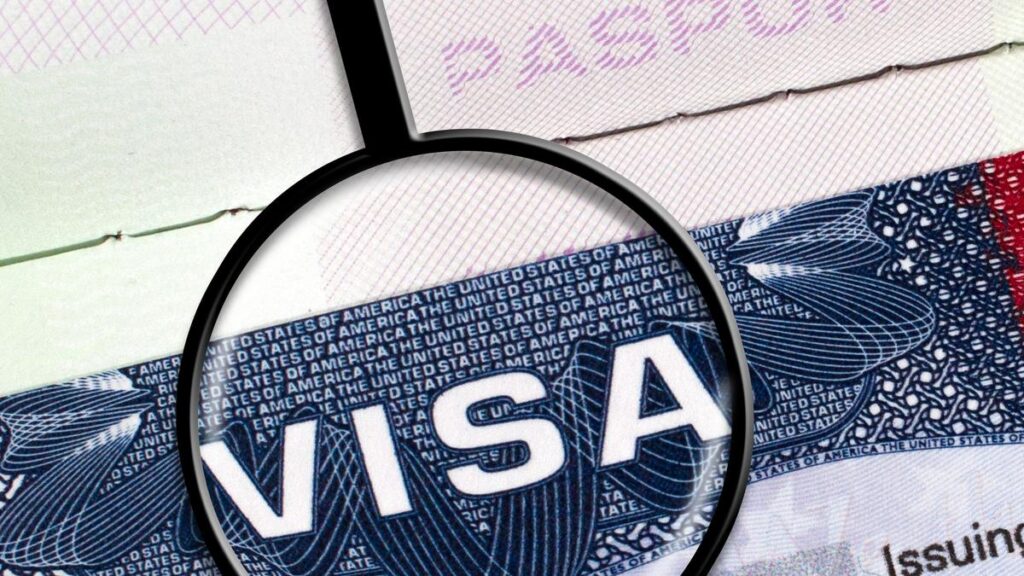
A visa is an official document issued by a country’s government that permits foreign visitors to enter, stay, or exit that specific nation for a defined period. Unlike a passport, which verifies an individual’s identity and nationality, a visa is country-specific and typically indicates the purpose of the visit, whether for tourism, business, study, or other reasons.
Types of Visas
Visas come in various forms, each tailored to meet the needs of travelers. Understanding these types can aid in choosing the right visa for your travel plans.
- Tourist Visa: This type allows individuals to enter a country for leisure or sightseeing purposes. See more on tourist visas.
- Business Visa: Designed for professionals attending conferences, meetings, or business-related events. More insight can be found at business visa.
- Student Visa: Issued to international students enrolled in educational institutions abroad. Explore more on student visas.
- Transit Visa: Required for travelers passing through a country en route to another destination. Discover details on transit visas.
- Work Visa: Permits foreigners to take up employment in the host country. Learn more about work visas.
The Historical Context of Visas
To fully appreciate the role and necessity of a visa in today’s travel landscape, it is essential to understand its historical roots. The concept of visas dates back centuries, evolving alongside trade and diplomacy.
Ancient Origins
Historically, visas can be traced to ancient civilizations, where written permissions were granted by rulers or governments to manage the movement of people across territories. These early permits often aimed to control trade routes and safeguard territories.
The Modern Age
The contemporary understanding of a visa began to take shape in the 19th century, with increased globalization and international travel becoming more common. Countries implemented visa regulations to establish legal frameworks governing the entry of foreigners, enabling them to monitor and document who was entering their borders.
The Significance of Visas in Today’s World
In today’s interconnected society, the importance of visas cannot be overstated. They serve several vital functions, ensuring the security and regulation of international travel.
National Security
One of the primary reasons countries require visas is to maintain national security. By assessing visa applications, governments can vet travelers entering their territory, reducing the risk of criminal activity or potential threats. Understanding national security measures can provide additional insight into this area.
Economic Regulation
Visas also play a critical role in economic management. They allow governments to control the influx of foreign visitors, which can impact local economies significantly. Business and tourism visas, in particular, are essential for fostering economic growth and international trade. For more related content, check out our insights on economic growth.
Immigration Control
The issuance of visas is closely tied to immigration policies. By categorizing visas, governments can manage who can reside in their country, for how long, and under what circumstances. This helps to ensure that immigration aligns with national interests and labor market demands. Learn more about immigration control for a deeper understanding.
The Necessity of Obtaining a Visa
For those planning to travel, understanding why obtaining a visa is necessary is crucial. It is more than just a bureaucratic procedure; it is an essential step in ensuring a smooth travel experience.
Entry Requirements
Each country has its entry requirements, and a visa often tops that list. Traveling without the necessary visa can lead to denied entry and, in some cases, deportation. Familiarizing yourself with entry requirements is vital.
Legal Compliance
Obtaining a visa ensures that you comply with the legal requirements set forth by the host country. Respecting these regulations is crucial for maintaining good relations and preventing future travel complications.
Exploring Opportunities
A visa not only permits entry but also opens up a world of opportunities. Whether planning to explore new cultures, attend business meetings, or pursue educational endeavors, a visa enhances your travel experience by formally acknowledging your purpose.
Steps to Apply for a Visa
Applying for a visa can be a complex process, but understanding the necessary steps can simplify the journey. Here are the key procedures to follow:
Research Your Visa Requirements
Before applying, conduct thorough research on the specific visa requirements for your intended destination. This includes understanding the necessary documentation, fees, and processing times.
Gather Required Documents
Collect all the necessary paperwork as per the guidelines of the embassy or consulate you are dealing with. Common documents include:
- A valid passport
- Passport-sized photographs
- Proof of accommodation
- Financial statements
- Travel itinerary
Complete the Application Form
Carefully fill out the visa application form, ensuring accuracy to avoid delays. Most countries offer online applications to streamline the process.
Pay the Visa Fee
Most visa applications require a fee. Ensure to pay this fee in the appropriate manner, as specified by the issuing authority. This fee plays a significant role in economic regulation.
Schedule an Interview
In many cases, applicants must attend a visa interview. This meeting can help authorities assess the purpose of travel and the applicant’s intent.
Await Processing
After submitting your application and attending any required interviews, you will need to wait for processing. Processing times can vary, so it’s essential to apply well in advance of your travel dates.
Conclusion
Uncovering what a visa truly is reveals its vital role in the realm of international travel. From its historical significance to its contemporary implications, a visa is an indispensable component for anyone seeking to explore new destinations. Understanding the necessity and importance of visas not only facilitates smoother travel experiences but also promotes compliance with international laws and regulations. As travel opportunities expand globally, equipping yourself with knowledge about visas becomes essential for navigating the exciting world beyond your borders.