Jimmy Lai Sentencing: Media Tycoon Faces 20 Years Behind Bars
In an unprecedented move that underscores the serious impact of Beijing’s security law, Jimmy Lai, a notable media tycoon, has been sentenced, shining a spotlight on the turbulent landscape of Hong Kong’s political and media freedoms. Lai, who has steadfastly maintained his innocence and pleaded not guilty to all charges against him, was among the earliest prominent figures apprehended under the controversial legislation during August 2020. This article delves into the complexities surrounding Lai’s sentencing, the implications of the law, and the broader context of media freedoms in Hong Kong.
Background of the Case: The Rise of Jimmy Lai
To fully understand the ramifications of Jimmy Lai’s sentencing, one must first recognize the trajectory of his career. A luminary in the media world, Lai founded the pro-democracy newspaper Apple Daily, which became influential in shaping public discourse surrounding Hong Kong’s political climate. Through his persistent advocacy for democratic values and freedom of the press, Lai garnered both respect and animosity, particularly from the Beijing authorities.
The crackdown on dissent escalated significantly in 2020, with the implementation of the National Security Law. This law was purportedly designed to curb separatist activities and foreign interference. However, critics argue that it serves as a tool for silencing dissent and curtailing freedoms, targeting individuals like Lai who pose a challenge to the Chinese government’s authority.
The Arrest and Charges
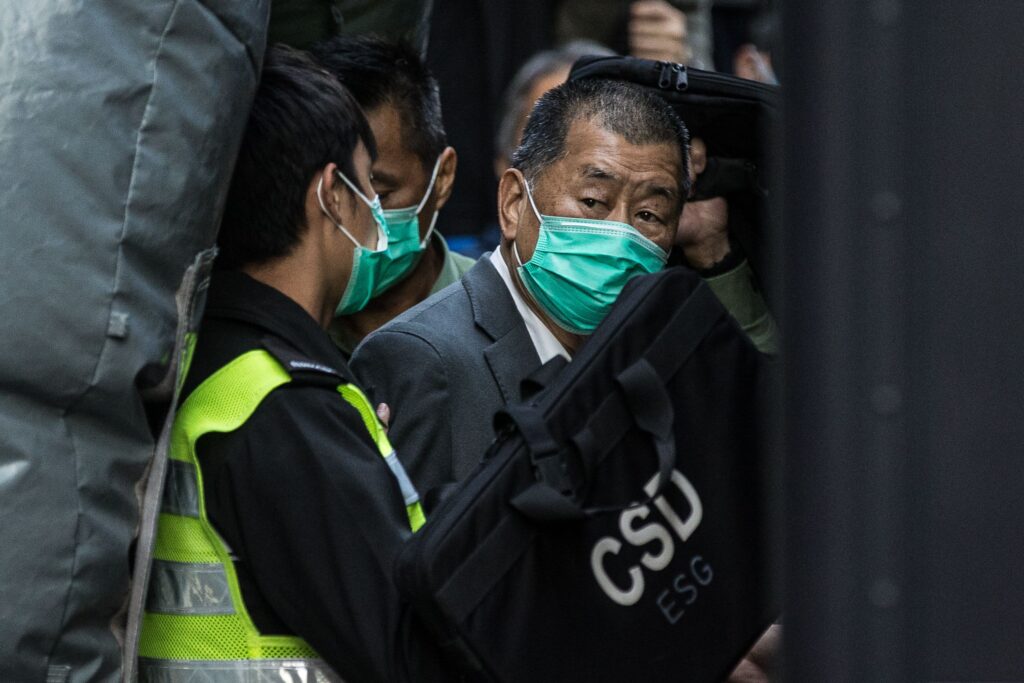
In August 2020, the Hong Kong police arrested Jimmy Lai amidst a wave of crackdowns on activists, politicians, and independent media. His detention marked an alarming trend in which influential figures faced severe charges for actions considered as threats against national security. Lai was charged with multiple offenses, including conspiracy to collude with foreign forces, which the authorities argued was a violation of the National Security Law.
Speeding through the proceedings nearly devoid of due process, Lai’s case quickly became emblematic of the broader assault on civil liberties in Hong Kong. The trial was marred by intense media scrutiny and widespread public support for Lai, who became a symbol of resistance against authoritarianism.
The Court Proceedings
The judicial process regarding Jimmy Lai was fraught with irregularities, reflecting the tensions between Hong Kong’s judiciary and the overarching influence of the Chinese government. His trial unfolded amidst public demonstrations and protests, with supporters rallying for his freedom and highlighting the perceived injustices at play. Lai, characterized as a political prisoner by human rights organizations, faced a courtroom environment tinged with political motivations.
Despite pleadings of not guilty, the prosecution presented a case that many viewed as more focused on silencing dissent than on delivering justice. The stakes were undeniably high, not just for Lai, but for the future of press freedoms and political expression in Hong Kong.
The Sentence: 20 Years Behind Bars
The culmination of the legal battle resulted in a staggering sentence of **20 years behind bars for Jimmy Lai**. Such a lengthy incarceration period illustrates the harsh tone of Beijing’s approach towards dissenters following the enactment of the National Security Law. The sentence not only exacerbates concerns regarding the treatment of dissidents in Hong Kong but also sends a chilling message to journalists and activists operating within the region.
This profound decision has sparked both domestic and international reactions, highlighting the stark divide between supporters of democratic freedoms and those advocating loyalty to the Beijing regime. While the authorities celebrated the ruling as a victory for national security, the implications for global perceptions of Hong Kong’s legal and political landscape could be far-reaching.
Implications for Media Freedom
The repercussions of Jimmy Lai’s sentencing reverberate beyond the individual and into the foundation of media freedom in Hong Kong. Lai’s arrest and subsequent sentencing symbolize a critical juncture for journalists, urging them to reconsider the **boundaries of reporting** and political commentary within an increasingly oppressive environment.
Many media outlets have opted to self-censor in light of the heightened risks associated with holding opposing views against the government. Jimmy Lai’s story raises alarms regarding the future of press independence in Hong Kong, a city once celebrated as a bastion of free speech and robust journalism.
International Responses
Lai’s sentencing has provoked outrage on the global stage, with various governments and international organizations decrying the verdict as politically motivated. Numerous human rights advocates have rallied behind Lai, urging for his release and condemning the suppression of free expression in Hong Kong. The United Nations and other bodies have reiterated calls for China to honor its commitments to protecting human rights and freedoms as enshrined in international treaties.
The international community views this case as not merely an assault on one individual but as part of a broader campaign to dismantle core democratic principles. The silence of other prominent figures through fear of reprisal illustrates the pervasive atmosphere of intimidation that has taken root in Hong Kong.
Next Steps: The Appeal Process
Following the initial ruling, Jimmy Lai’s legal team has indicated intentions to appeal the sentence. This signifies a critical juncture in the ongoing battle for judicial independence amid external pressures. The appeal process will be closely monitored, with many hoping it can shed light on potential inconsistencies in the trial that suggest a preordained outcome driven by political motivations rather than a quest for justice.
The decision on the appeal will be pivotal, not only for Lai but also for the remaining vestiges of judicial integrity in Hong Kong. International observers remain vigilant, clouded by a sense of unease about the genuine prospects for a fair hearing in such politically sensitive circumstances.
The Future of Dissent in Hong Kong
As the landscape of governance in Hong Kong continues to evolve under the strain of authoritarian measures, the fate of individuals like Jimmy Lai poses stark questions about the limits of dissent and protest. The enduring implications of his sentence will likely be felt for years, shaping the narrative of human rights and civil liberties in the region.
Other individuals and groups advocating for democracy may find themselves reassessing their strategies in light of the apparent risks associated with open defiance against governmental authority. The chilling effect of Lai’s sentence may generate a wave of self-censorship, reorienting the conversation on freedom of expression in unprecedented ways.
Conclusion
The conviction and sentencing of Jimmy Lai serve as an indictment of the deteriorating state of media freedom and political dissent in Hong Kong. Facing a daunting 20 years behind bars, Lai’s legacy transcends his fate, sparking critical discussions on human rights, government accountability, and the essence of democracy in one of the world’s most significant financial hubs. As the implications of this trial continue to unfold, the need for vigilance and advocacy for universal rights has never been more pronounced. The world watches closely, awaiting the impacts of this pivotal moment on the struggle for justice and freedom in Hong Kong.