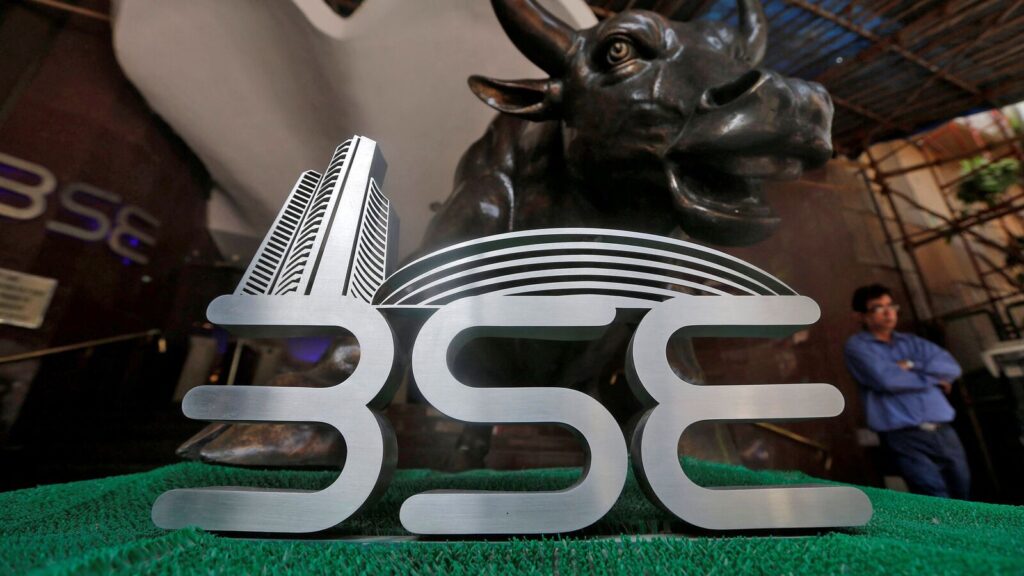
Chapter 1: Unraveling the Foundations: BSE and SEBI Explained
The unfolding of the **BSE share Sebi saga** is best understood by first examining the foundational pillars of India’s financial market: the Bombay Stock Exchange (BSE) and the Securities and Exchange Board of India (SEBI). These institutions, while distinct in their functions, are inextricably linked in their collective mission to foster a robust, transparent, and secure investment environment. The interplay between these two giants often defines the landscape of market governance and investor confidence.
### The Bombay Stock Exchange (BSE): A Cornerstone of Indian Trading
Established in 1875, the Bombay Stock Exchange (BSE) holds the distinction of being Asia’s first stock exchange and one of the world’s fastest stock exchanges, boasting an average trade speed of 6 microseconds [Source: Investopedia – Bombay Stock Exchange (BSE)]. Located on Dalal Street in Mumbai, it is a key player in India’s capital market, providing a platform for the trading of equities, derivatives, mutual funds, and other financial instruments. The BSE’s S&P BSE Sensex, a free-float market-weighted stock market index of 30 well-established and financially sound companies listed on the BSE, serves as a vital benchmark for the Indian economy [Source: Investopedia – Sensex].
The BSE’s significance extends far beyond simply facilitating trades. It plays a crucial role in capital formation, enabling companies to raise funds for expansion and growth by issuing shares and debt instruments. By offering a liquid marketplace, it allows investors to buy and sell securities with ease, thereby converting savings into productive investments. Furthermore, the BSE’s transparent pricing mechanism, driven by supply and demand, ensures fair price discovery, reflecting the true value of listed companies. Its widespread reach and technological advancements have made it accessible to millions of investors, contributing significantly to India’s economic growth and financial inclusion. The efficiency and reliability of such an exchange are paramount, especially when navigating complex regulatory challenges, such as those that arose during the **BSE share Sebi saga**.
### The Securities and Exchange Board of India (SEBI): The Market Watchdog
The Securities and Exchange Board of India (SEBI) was established in 1988 as a non-statutory body and later given statutory powers in 1992 through the SEBI Act, 1992 [Source: SEBI – About SEBI]. Its primary objective is to protect the interests of investors in securities, promote the development of the securities market, and regulate it [Source: SEBI – SEBI Act, 1992]. This broad mandate positions SEBI as the chief regulator, overseeing nearly every aspect of the Indian securities market.
SEBI operates with a comprehensive framework, encompassing the regulation of stock exchanges and other securities markets, registering and regulating intermediaries like brokers, merchant bankers, and mutual funds, and prohibiting fraudulent and unfair trade practices [Source: Investopedia – SEBI]. Its critical role lies in ensuring market integrity, transparency, and efficiency. By establishing strict rules and monitoring compliance, SEBI helps prevent market manipulation, insider trading, and other malpractices that could harm investors. Its enforcement actions against violations serve as a deterrent, reinforcing discipline among market participants. This regulatory oversight is crucial for maintaining investor confidence and fostering a healthy investment environment in India. The proactive stance of SEBI has been instrumental in shaping the market’s response to various challenges, including the intricacies of the **BSE share Sebi saga**. For a deeper look into SEBI’s impact on India’s stock market, you might find this article insightful: The SEBI Order and Jane Street: Examining Impact on India’s Stock Market.
The relationship between BSE and SEBI is one of regulated and regulator, a dynamic crucial for a well-functioning market. While BSE provides the platform for trading, SEBI ensures that this platform operates fairly, transparently, and in the best interest of all participants. Any friction or dispute between these two entities, therefore, has far-reaching implications for the entire financial ecosystem, as prominently demonstrated by periods characterized as the **BSE share Sebi saga**.
Chapter 2: The Spark of Contention: Origins of the Saga
The **BSE share Sebi saga** did not ignite from a single incident but rather from a confluence of evolving market dynamics, increasing regulatory expectations, and inherent conflicts arising from the traditional structure of India’s stock exchanges. Prior to SEBI’s full empowerment in 1992, stock exchanges like the BSE largely operated as self-regulatory organizations, often dominated by broker members. This model, while historically prevalent, began to show cracks as the Indian market expanded and attracted a wider array of investors. The critical transition from self-regulation to a more robust, independent regulatory oversight became the crucible for the tensions that defined the early phases of the saga.
One primary source of friction stemmed from SEBI’s mandate to reform and modernize the stock exchanges. This included crucial initiatives aimed at enhancing transparency, governance, and investor protection. A pivotal reform that particularly contributed to the **BSE share Sebi saga** was the push for demutualization. Traditionally, stock exchanges were mutual organizations, meaning they were owned and controlled by their trading members (brokers). This structure presented inherent conflicts of interest, as the same individuals who operated on the exchange were also responsible for its regulation and oversight. SEBI correctly identified this as a major impediment to fair and transparent market operations [Source: SEBI – Annual Reports (Various)].
SEBI’s insistence on demutualization aimed to separate the ownership and management of the exchange from its trading rights. This meant converting the exchange into a company where shareholders (who could be non-brokers) would own equity, and a professional management team would operate it, reducing the influence of broker-members on governance. For a venerable institution like the BSE, with its long-standing traditions and a strong broker-member base, this directive was met with significant resistance. The transformation challenged the established power structures and financial interests of the existing members, leading to prolonged negotiations and disagreements.
Another key area of contention in the origins of the **BSE share Sebi saga** revolved around SEBI’s increasing scrutiny of listing norms, surveillance mechanisms, and dispute resolution processes within the exchange. As instances of market manipulation and irregularities, such as the Harshad Mehta scam of 1992 (though primarily a banking and broker-led scam, it exposed systemic weaknesses), brought to light the vulnerabilities in the existing system, SEBI’s proactive stance became more pronounced. SEBI sought to impose stricter compliance requirements on exchanges, holding them more accountable for market integrity and investor grievances. This often led to disagreements over the scope of SEBI’s intervention versus the BSE’s operational autonomy.
Further adding to the friction was the question of governance within the BSE itself. SEBI pushed for independent directors on the exchange’s board, greater accountability of its management, and a more robust regulatory framework for its operations. These measures, while designed to protect investors and ensure market fairness, were sometimes perceived by the BSE management and its members as an overreach, or an attempt to undermine the exchange’s traditional autonomy. These underlying structural and philosophical differences, coupled with SEBI’s newly acquired statutory powers, laid the groundwork for the regulatory skirmishes that characterized the early phases of the **BSE share Sebi saga**, setting the stage for direct interventions and policy mandates from the market watchdog.
Chapter 3: Regulatory Crossroads: SEBI’s Stance and Actions
The **BSE share Sebi saga** entered a critical phase as SEBI moved beyond directives to implement stringent regulatory measures. Faced with a rapidly evolving market, increasing instances of malpractices, and the inherent structural challenges within exchanges, SEBI adopted a firm stance, prioritizing investor protection and market integrity above all else. This period saw SEBI deploy its statutory powers to reshape the operational and governance landscape of India’s stock exchanges, with particular focus on the BSE.
One of the most impactful regulatory actions stemming from the initial friction was SEBI’s resolute push for the demutualization of stock exchanges. The Securities Contracts (Regulation) (Amendment) Act, 2004, was a landmark legislative step that mandated the demutualization of stock exchanges in India [Source: SEBI – Securities Contracts (Regulation) Act, 2004]. This act effectively forced exchanges like the BSE to transform from member-owned organizations into professionally managed, shareholder-owned entities. This was a complex and contentious process, involving the valuation of existing membership cards, conversion into shares, and the establishment of new governance structures. The process was met with significant legal challenges and operational difficulties from the exchanges, including the BSE, which had to navigate the divestment of broker-member control. SEBI, however, remained unwavering, viewing demutualization as indispensable for eliminating conflicts of interest and enhancing transparency in exchange operations.
Beyond demutualization, SEBI also tightened norms related to exchange governance and risk management. It introduced regulations mandating a higher proportion of independent directors on the boards of stock exchanges, ensuring that decision-making was not swayed by vested interests of trading members. These directives aimed to professionalize the management of exchanges and align their objectives more closely with market development and investor protection [Source: Business Standard – SEBI’s Push for Exchange Governance]. Furthermore, SEBI significantly enhanced its surveillance capabilities, implementing advanced technological systems to monitor trading activities in real-time. This allowed for quicker detection of unusual trading patterns, potential market manipulation, and other unfair practices. The regulator also imposed stricter reporting requirements on exchanges, demanding more detailed and frequent data on their operations, compliance, and risk exposures.
The **BSE share Sebi saga** also saw SEBI impose penalties and issue stern warnings to exchanges, including the BSE, for non-compliance with its directives or for lapses in market oversight. These enforcement actions underscored SEBI’s authority and its commitment to ensuring accountability. For instance, instances where exchanges failed to adequately address client grievances, or where their trading systems exhibited vulnerabilities, attracted SEBI’s scrutiny and potential punitive measures. These actions, while sometimes seen as overly interventionist by the exchanges, were pivotal in compelling them to adopt higher standards of operational efficiency and regulatory compliance.
The legal and operational implications for the BSE were substantial. The demutualization process alone required a complete overhaul of its ownership structure and internal governance. The increased regulatory oversight meant a shift from a largely self-regulated entity to one under constant, rigorous supervision. This necessitated significant investments in technology, compliance departments, and human resources skilled in navigating the new regulatory landscape. While challenging, these reforms ultimately laid the groundwork for a more resilient, transparent, and globally competitive Indian stock market, transforming the very nature of how institutions like the BSE operate under the watchful eye of SEBI. The stringent measures taken during the **BSE share Sebi saga** have shaped a more robust regulatory framework, influencing future market policies and safeguards.
Chapter 4: Echoes in the Market: Impact on BSE and Investors
Major financial malpractices have historically sent significant tremors through the Bombay Stock Exchange (BSE), profoundly affecting its operations, market sentiment, investor confidence, and overall stability. These events serve as stark reminders of the vulnerabilities within financial systems and the critical need for robust regulatory frameworks, a need starkly highlighted by the challenges encountered during the **BSE share Sebi saga**.
The Harshad Mehta scam of 1992, for instance, exposed severe loopholes in the Indian banking system and the BSE’s trading mechanisms. The manipulation of ready forward deals led to an artificial market boom, followed by a dramatic collapse. This crisis highlighted the inadequacy of existing regulations and spurred significant reforms aimed at enhancing transparency and accountability within the exchange’s operations. The incident led to a substantial erosion of public trust in the stock market, demonstrating how a single scandal can undermine years of investor education and participation efforts. The ramifications of this scam directly informed SEBI’s subsequent powers and its proactive role in preventing such recurrences, shaping the regulatory environment that influenced the **BSE share Sebi saga**.
Similarly, the Satyam Computer Services scandal in 2009, a massive corporate accounting fraud, severely impacted investor confidence, especially among foreign institutional investors. The revelation of inflated profits and non-existent assets led to a sharp decline in Satyam’s stock price and created widespread fear of similar undeclared issues in other Indian companies. This event underscored the need for stronger corporate governance and auditing standards to protect shareholders and maintain market integrity [Source: The Economic Times – Satyam Scandal’s Impact]. The Satyam case reinforced SEBI’s resolve to strengthen corporate governance norms and enhance disclosure requirements for listed entities, adding another layer of complexity to the ongoing dialogue and evolution of the **BSE share Sebi saga**. For more insights on market dynamics, read our article on Understanding Share Price Dynamics.
In the aftermath of such sagas, market sentiment often plummets, leading to panic selling and a flight of capital. The BSE’s indices have experienced sharp corrections, reflecting widespread distrust. Investor confidence, particularly among retail investors who may lack sophisticated risk assessment tools, takes a considerable hit, often leading to prolonged disengagement from the market. This hesitancy can stifle capital formation and economic growth. The direct impact on the BSE included a significant re-evaluation of its internal controls and a push towards greater technological integration to reduce manual intervention and enhance surveillance. The exchange also had to contend with a perception challenge, working alongside SEBI to rebuild its image as a reliable and secure trading platform.
To restore stability and confidence, regulatory bodies like the Securities and Exchange Board of India (SEBI) have historically implemented stricter rules, improved surveillance systems, and introduced automated trading platforms to reduce human intervention and potential manipulation. These reforms aim to make the market more resilient and less susceptible to the actions of unscrupulous individuals, thereby safeguarding the overall stability and integrity of the Indian financial landscape. The cumulative experience from these market upheavals and the intense regulatory scrutiny of the **BSE share Sebi saga** led to a more mature and robust regulatory environment, ensuring better protection for investors and a more stable operating framework for the BSE. The ongoing enhancements in technology and regulatory frameworks continue to benefit both the exchange and its participants, learning from the lessons of the past.
Chapter 5: Lessons Learned and the Path Forward: Future of Market Governance
The **BSE share Sebi saga**, often associated with major market irregularities and the necessary evolution of regulatory oversight, served as a critical turning point for India’s financial sector. The profound lessons learned from this period have fundamentally shaped the regulatory landscape and the evolution of corporate governance within the country, fostering a market environment that is increasingly transparent, fair, and resilient.
**Key Lessons and Regulatory Overhauls**
One of the most significant lessons gleaned from the periods of tension and reform was the urgent and undeniable need for a robust, independent, and empowered regulatory body. Before the widespread reforms, the market was susceptible to manipulation, lacked transparent operational mechanisms, and had inherent conflicts of interest due to the self-regulatory nature of exchanges. The events comprising the **BSE share Sebi saga** highlighted profound deficiencies in oversight, disclosure requirements, and enforcement, underscoring the critical need for investor protection and market integrity.
In direct response to these revelations and the need for a stronger hand, SEBI, which was initially established in 1988 but gained statutory powers in 1992, was significantly empowered. This empowerment allowed SEBI to introduce stringent regulations designed to curb unfair trade practices, insider trading, and market manipulation effectively. Key reforms enacted under SEBI’s fortified mandate included:
* **Enhanced Surveillance and Enforcement**: SEBI implemented advanced surveillance systems, including algorithmic monitoring and data analytics, to detect and deter market misconduct more effectively. Its enforcement mechanisms were strengthened, leading to quicker investigations and more decisive actions against errant market participants [Source: SEBI – Enforcement Actions]. This proactive approach significantly reduced the scope for major frauds that had previously plagued the market.
* **Improved Disclosure Norms**: Regulations were introduced to mandate greater transparency from listed companies. This included more rigorous reporting of financial results, related-party transactions, and corporate announcements, ensuring that investors had access to timely, accurate, and comprehensive financial information. This measure was pivotal in restoring confidence in the integrity of corporate reporting [Source: SEBI – LODR Regulations].
* **Investor Protection Measures**: SEBI intensified its focus on protecting the interests of small investors. This involved establishing more accessible grievance redressal mechanisms, investor helplines, and promoting widespread investor education programs. These initiatives aimed to empower individual investors with knowledge and recourse, thereby fostering greater participation and trust in the capital markets. The push for greater financial literacy was a direct outcome of the issues exposed during the **BSE share Sebi saga**.
**Evolving Landscape of Corporate Governance**
The aftermath of the challenging periods, including the **BSE share Sebi saga**, also led to a heightened focus on corporate governance within India’s financial sector. Companies were compelled to adopt more ethical practices and robust internal controls to prevent a recurrence of past malpractices. This included significant reforms such as:
* **Independent Directors**: The role and independence of board directors were significantly emphasized. Regulations mandated a higher proportion of independent directors on company boards, ensuring unbiased decision-making and better oversight of management. This move was crucial in balancing the interests of promoters and minority shareholders [Source: SEBI – Corporate Governance Regulations].
* **Audit Committees**: The establishment of independent audit committees became crucial for financial reporting integrity and internal control effectiveness. These committees, typically composed primarily of independent directors, are responsible for overseeing the company’s financial reporting process and internal audit functions, thereby minimizing the risk of accounting frauds.
* **Whistleblower Protection**: Measures to protect whistleblowers were gradually introduced to encourage reporting of unethical practices without fear of retaliation. This created an internal mechanism for detecting and addressing malpractices, complementing SEBI’s external surveillance efforts.
The journey since the intense period of the **BSE share Sebi saga** has seen India’s financial markets mature considerably, moving towards greater transparency, fairness, and investor confidence. While challenges remain, particularly with adapting to new technologies like algorithmic trading and managing global financial volatility, the foundational reforms born from this period continue to guide the path forward for market governance in India. The commitment remains to build a resilient and globally competitive financial ecosystem. The ongoing evolution reflects a commitment to adapting to new challenges and reinforcing the principles of sound governance, a topic that remains vital for discussions on “India Inc. Cash Hoarding Causes & Impact” [WorldGossip.net] and other financial trends. The lessons from the **BSE share Sebi saga** continue to inform policy-making, ensuring that the Indian securities market remains a vibrant and secure avenue for capital formation and wealth creation.
Sources
- BSE India – S&P BSE Sensex Historical Description
- BSE India – The Journey Since 1875
- Business Standard – SEBI’s Push for Exchange Governance
- Investopedia – Bombay Stock Exchange (BSE)
- Investopedia – Securities and Exchange Board of India (SEBI)
- Investopedia – Sensex
- SEBI – About SEBI
- SEBI – SEBI Act, 1992
- SEBI – Securities Contracts (Regulation) Act, 2004
- SEBI – Annual Reports (Various)
- SEBI – Listing Obligations and Disclosure Requirements Regulations, 2015
- SEBI – Enforcement Actions
- SEBI – SEBI (Listing Obligations and Disclosure Requirements) Regulations, 2015 – Corporate Governance
- The Economic Times – Satyam scandal: Impact on Indian market & investor confidence
- WorldGossip.net – India Inc. Cash Hoarding Causes & Impact
- WorldGossip.net – The SEBI Order and Jane Street: Examining Impact on India’s Stock Market
- WorldGossip.net – Understanding Share Price Dynamics: Insights from Kalyan Jewellers Q1 Context