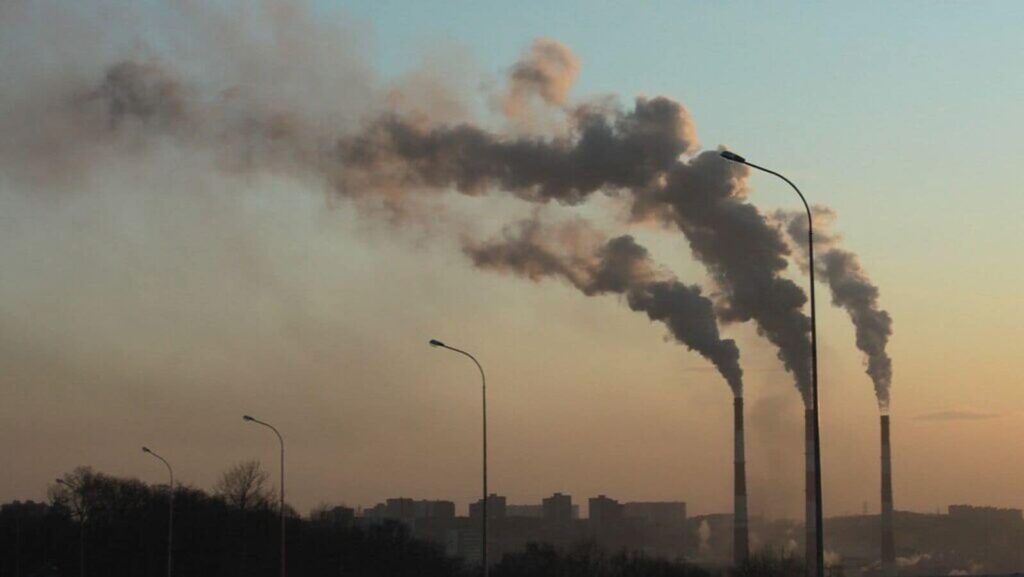
Chapter 1: Understanding Carbon Pricing: A Business Perspective
**Businesses adopt carbon pricing** as a critical mechanism to address the escalating challenge of climate change. Carbon pricing mechanisms are innovative tools specifically designed to assign a monetary cost to carbon dioxide (CO2) emissions and other greenhouse gases. The overarching goal of these policies is to encourage both businesses and individuals to significantly reduce their carbon footprint. By making the act of polluting economically more expensive, these policies inherently incentivize a strategic shift towards the development, adoption, and widespread implementation of cleaner technologies and more sustainable operational practices across various industries. This strategic pivot is becoming increasingly essential for companies seeking to maintain competitiveness and adhere to evolving environmental mandates.
Within the landscape of carbon pricing, two primary mechanisms stand out and are most widely employed globally: carbon taxes and cap-and-trade systems. Understanding the nuances of each is vital for any business navigating the complexities of environmental responsibility and economic viability.
Carbon Taxes
A carbon tax represents a direct fee imposed on the carbon content embedded within fossil fuels, or, more broadly, on the actual greenhouse gas emissions produced by industrial and commercial businesses. This means that for every ton of carbon emitted into the atmosphere, a company is required to pay a predetermined, fixed price. The inherent simplicity of a carbon tax is one of its most significant advantages. It provides an undeniably clear and consistent price signal for emissions, which in turn makes it considerably easier for businesses to effectively factor these carbon costs into their long-term financial planning and crucial investment decisions. For companies, the immediate implication of a carbon tax is a direct increase in their operating costs if they continue to rely on high-emission processes or energy sources. This direct financial pressure strongly encourages them to proactively invest in energy efficiency upgrades, explore and implement renewable energy alternatives, or switch to lower-carbon fuels and processes. The predictability of the cost allows businesses to model scenarios and make informed decisions on how best to reduce their exposure, making it a compelling reason why **businesses adopt carbon pricing** via a tax.
Cap-and-Trade Systems
In stark contrast to the fixed price of a carbon tax, a cap-and-trade system operates by setting an overall, legally binding limit (or “cap”) on the total amount of greenhouse gas emissions permitted across a specific economic sector or, more broadly, an entire economy. This total allowable emission cap is then meticulously divided into a finite number of tradable allowances, or permits, each typically representing a specific quantity of emissions, often one ton of CO2 equivalent. These allowances can then be bought, sold, and traded among companies within the regulated system. Businesses that successfully reduce their emissions below their allocated or purchased allowances find themselves with surplus permits, which they can then sell on the market, thereby creating a tangible financial incentive for innovation and efficiency in emissions reduction. Conversely, companies that exceed their allocated allowances are compelled to purchase additional permits from others in the market, incurring an additional cost. This dynamic, market-based approach allows the price of carbon to fluctuate based on the fundamental principles of supply and demand for allowances, offering businesses considerable flexibility in how they choose to achieve their emissions reduction targets. It’s a powerful incentive for **businesses adopt carbon pricing** as a driver for internal innovation.
Why Businesses Are Increasingly Focused on Carbon Emissions
The burgeoning emphasis on managing and reducing carbon emissions by businesses is not a fleeting trend but rather a profound shift driven by a complex interplay of internal and external factors. This growing focus highlights why **businesses adopt carbon pricing** as a strategic imperative.
* **Regulatory Pressure:** Governments across the globe are intensifying their efforts to combat climate change by implementing increasingly stricter environmental regulations and, notably, expanding carbon pricing policies. For businesses, this translates into emissions reduction becoming a mandatory compliance necessity. Failing to adhere to these evolving regulations can lead to substantial financial penalties, crippling fines, and significant reputational damage. Proactive engagement ensures businesses stay ahead of the curve.
* **Investor and Stakeholder Demand:** The financial community, particularly institutional investors, is placing an unprecedented level of scrutiny on companies’ environmental, social, and governance (ESG) performance. Carbon emissions are a particularly prominent and measurable indicator within the environmental pillar. Beyond investors, a broader array of stakeholders, including employees, customers, and local communities, are vocally demanding greater corporate responsibility and proactive engagement in addressing climate change. Companies that fail to demonstrate a credible commitment risk losing access to capital and market share.
* **Financial Incentives and Risks:** The implications of carbon pricing extend beyond direct costs. Businesses face a myriad of financial risks directly associated with climate change, ranging from potential supply chain disruptions due to extreme weather events to increased insurance premiums for at-risk assets. On the flip side, strategic investments in low-carbon technologies, renewable energy, and sustainable operational practices can unlock entirely new revenue streams, significantly improve operational efficiency, and ultimately lead to reduced long-term costs. For example, exploring innovative approaches to resource management, similar to insights found regarding India Inc.’s Cash Hoarding: Causes & Impact, can reveal profitable avenues for reducing carbon intensity and managing financial exposure.
* **Brand Reputation and Competitive Advantage:** Proactive and transparent management of carbon emissions profoundly enhances a company’s brand image and reputation. This positive perception can be a powerful magnet, attracting environmentally conscious consumers who are increasingly making purchasing decisions based on sustainability credentials. It also helps in recruiting and retaining top-tier talent, as many professionals prioritize working for companies aligned with their values. In markets where sustainability is a highly valued attribute, a strong environmental performance can provide a distinct and durable competitive edge.
* **Technological Advancements:** The past decade has witnessed a breathtaking pace of development in clean technologies. From increasingly efficient renewable energy sources like solar and wind power to advanced carbon capture, utilization, and storage (CCUS) technologies, the tools for emissions reduction are becoming more feasible and economically viable than ever before. Businesses are keenly aware of these advancements and are eager to leverage them not only to meet their climate goals but also to gain market share and drive innovation. This perfectly aligns with broader national efforts, such as India’s Clean Energy Transition: The Economics of a Green Future, highlighting the interconnectedness of business and national sustainability agendas.
* **Global Climate Goals:** As the international community collectively strives to achieve ambitious global climate targets, businesses are increasingly recognizing their integral role and profound responsibility in contributing to a truly sustainable future. Engaging with carbon pricing mechanisms and meticulously crafted emissions reduction strategies positions companies as proactive leaders in the essential transition to a low-carbon economy. This collective effort is indispensable, mirroring the importance of collaborative international discussions such as those around the BRICS Global South: A Rising Alliance in fostering global cooperation on critical issues. The growing understanding that **businesses adopt carbon pricing** not just for compliance, but for a greater good, is reshaping corporate strategy.
Chapter 2: The Business Case for Carbon Pricing Adoption
Adopting carbon pricing mechanisms is not merely an environmental obligation; it presents an increasingly compelling business case for companies that are strategically focused on long-term sustainability and profitability. Beyond the obvious environmental benefits, there are significant financial incentives and strategic advantages that are profoundly driving this transformative shift, compelling more and more **businesses adopt carbon pricing** as a core operational principle.
One of the most primary and tangible drivers is the substantial potential for **cost savings through rigorous emissions reduction**. By intelligently placing a tangible price on carbon emissions, businesses are powerfully incentivized to make smart investments in comprehensive energy efficiency programs, transition to robust renewable energy sources, and meticulously optimize their operational processes to systematically lower their overall carbon footprint. This proactive approach yields a dual benefit: it not only significantly reduces their exposure to escalating carbon costs but also frequently leads to substantial operational efficiencies and considerably lower energy bills in the long run. For instance, companies that foresightfully reduce their emissions well in advance of stricter regulations can effectively avoid future, potentially burdensome costs associated with carbon taxes or complex cap-and-trade schemes. This effectively transforms a potential financial liability into a clear and decisive competitive advantage in the marketplace [Source: International Monetary Fund – Carbon Pricing]. This forward-thinking and proactive approach aligns perfectly with the broader global movement towards green economies, where sustainable practices are not just preferred but are increasingly becoming a fundamental prerequisite for market success and long-term viability. The foresight to embrace carbon pricing demonstrates a company’s commitment to future-proofing its operations.
Furthermore, the strategic adoption of carbon pricing mechanisms significantly contributes to an **enhanced brand reputation** and meticulously fosters deep-seated **stakeholder trust**. Today’s sophisticated consumers, astute investors, and highly motivated employees are scrutinizing corporate environmental performance with unprecedented rigor. Companies that demonstrably commit to substantially reducing their carbon emissions through transparent mechanisms like carbon pricing are consistently viewed more favorably across the board. This profoundly positive perception can directly translate into a multitude of tangible benefits, including increased customer loyalty, the magnetic attraction of environmentally conscious investors seeking sustainable portfolios, and a marked improvement in talent acquisition and retention capabilities [Source: UNEP Finance Initiative – Carbon Pricing: An Investor Guide]. In an era where corporate social responsibility (CSR) is no longer an optional add-on but an absolute paramount requirement for sustained success, a strong and visible environmental stance, underscored by strategic decisions like when **businesses adopt carbon pricing**, can serve as a key differentiator, setting a company apart in a crowded and competitive marketplace.
Finally, the critical imperative of meeting **regulatory requirements to robustly avoid penalties** forms a cornerstone of the business case for carbon pricing. Governments across the globe are rapidly implementing increasingly stringent climate policies, which prominently include carbon taxes, sophisticated emissions trading systems, and various other forms of carbon pricing mechanisms. Non-compliance with these evolving regulations can regrettably result in substantial financial fines and crippling penalties, which can severely erode profits and irreparably damage a company’s standing and credibility in the market. By proactively and intelligently integrating carbon pricing considerations into their core operational strategies and decision-making processes, businesses can not only ensure strict compliance but also effectively mitigate significant regulatory risks, thereby avoiding punitive measures that could jeopardize their financial health. This strategic foresight ensures their continued “license to operate” in an increasingly regulated and environmentally conscious landscape [Source: World Bank – Carbon Pricing: Key Tool for Climate Action]. Such forward-thinking measures are crucial for protecting a company’s financial health and its hard-earned market position. For deeper insights into how businesses are dynamically adapting to new financial landscapes and leveraging strategic financial planning, exploring discussions such as those found in India Inc.’s Cash Hoarding: Causes & Impact can offer valuable context on corporate strategic responses to evolving economic shifts, further illustrating why **businesses adopt carbon pricing** as a protective and progressive measure.
Chapter 3: Navigating the Challenges of Carbon Pricing Implementation
While the benefits are clear, implementing carbon pricing mechanisms, whether through the direct levy of carbon taxes or the market-driven dynamics of cap-and-trade systems, inevitably presents several significant challenges for both national economies and specific industries within them. While these policies are expertly designed to incentivize crucial emissions reductions, their initial stages of implementation can regrettably lead to substantial financial costs and necessitate extensive, often complex, operational adjustments for businesses [Source: International Monetary Fund – Carbon Pricing]. Overcoming these hurdles is paramount for successful long-term adoption and for truly enabling **businesses adopt carbon pricing** effectively.
One particularly major hurdle that businesses must contend with is the potential for significantly increased operational expenses. This rise in costs stems from various factors as companies diligently adapt to novel regulatory frameworks and strategically invest in cleaner, more sustainable technologies. Such an impact can notably affect profitability, especially for inherently energy-intensive sectors like manufacturing, heavy industry, or transportation, where carbon emissions are an inherent byproduct of their core activities. To effectively meet stringent emissions targets, businesses are often required to undertake profound technological shifts. This includes, but is not limited to, the widespread adoption of renewable energy sources to power their operations, the implementation of highly energy-efficient processes across their value chains, and in some cases, the integration of advanced carbon capture technologies. Such comprehensive transitions demand substantial upfront capital investment and a significant commitment to ongoing research and development. This poses a considerable challenge for industries, particularly those with inherently limited financial resources or those operating on tight profit margins. The initial financial burden is a key consideration when **businesses adopt carbon pricing**. While the U.S. Energy Information Administration provides general insights into energy use, specific technological advancements for broad industrial sectors are complex and varied. For example, advancements in building energy intensity contribute to overall efficiency, but the scope of industrial decarbonization is much broader [Source: U.S. Energy Information Administration].
Ensuring fair and equitable competition within the domestic and international market is another critically important consideration that policymakers and businesses must address. If carbon pricing is not uniformly or comparably applied across all competitors within a given market, it could inadvertently disadvantage domestic industries that are subjected to stricter regulations compared to their international rivals operating under less stringent or non-existent environmental policies. This disparity can lead to a phenomenon widely known as “carbon leakage.” Carbon leakage occurs when businesses, facing higher costs at home due to carbon pricing, opt to relocate their production facilities or outsource their manufacturing to countries with lower or effectively no carbon costs. This unfortunate outcome effectively shifts emissions from one geographical location to another rather than achieving a genuine global reduction in greenhouse gases [Source: International Energy Agency – Carbon leakage and the EU Carbon Border Adjustment Mechanism]. To effectively mitigate this risk and ensure a level playing field, policymakers are increasingly considering and implementing measures such as carbon border adjustments (CBAs). These mechanisms impose a compensatory charge on imported goods from countries that lack comparable carbon pricing schemes, aiming to neutralize the cost disadvantage faced by domestic industries and prevent the undesirable outsourcing of emissions. This demonstrates the complex policy landscape that shapes how and why **businesses adopt carbon pricing**.
Furthermore, public and political acceptance can be a significant challenge. Carbon pricing mechanisms, particularly carbon taxes, can face resistance if not designed and communicated effectively. Concerns about impacts on household energy bills, competitiveness of industries, and equitable distribution of revenue need to be addressed transparently. Effective communication strategies, combined with measures like revenue recycling (e.g., using carbon tax revenues to fund tax cuts, support vulnerable households, or invest in green infrastructure), are crucial for building consensus and ensuring smooth implementation when **businesses adopt carbon pricing** on a broader scale. Without public buy-in, even well-intentioned policies can face significant headwinds.
Chapter 4: Success Stories: Businesses Leading the Way in Carbon Pricing
While specific, recent corporate case studies detailing successful implementations of carbon pricing strategies are not consistently available across all public domains, the principles behind successful adoption and the inherent benefits for businesses are well-established through broader economic and environmental analysis. The narrative of **businesses adopt carbon pricing** is not merely one of compliance, but of strategic advantage and leadership. Companies that effectively integrate carbon pricing into their operational and investment frameworks typically demonstrate a clear understanding of its role in driving decarbonization and fostering long-term resilience.
These leading businesses, though not always named in readily available, specific examples, often share common characteristics in their approach to carbon pricing:
* **Strategic Integration:** They don’t view carbon pricing as just a compliance burden but as a strategic tool to guide internal investment decisions, innovation, and long-term planning. This involves implementing internal carbon prices (ICPs) – shadow prices, explicit fees, or implicit costs – that influence capital expenditure, product design, and supply chain choices. By embedding a carbon cost into their financial models, these companies ensure that sustainability considerations are factored into every major business decision.
* **Investment in Decarbonization Technologies:** Successful companies proactively invest in cleaner technologies and processes. This might include transitioning to renewable energy sources for their operations, improving energy efficiency across their facilities, optimizing logistics to reduce emissions from transportation, and even exploring carbon capture and storage where technologically and economically viable. Such investments are often made with a long-term view, recognizing that initial outlays lead to significant operational savings and reduced carbon liabilities in the future.
* **Supply Chain Engagement:** Leading businesses extend their carbon management efforts beyond their immediate operations to engage their entire supply chain. They work collaboratively with suppliers to identify and reduce emissions, sometimes offering incentives or technical support. This holistic approach ensures that the total embodied carbon in their products and services is minimized, enhancing their overall sustainability profile.
* **Transparency and Reporting:** These companies are typically leaders in transparent environmental reporting, often adhering to frameworks like the Task Force on Climate-related Financial Disclosures (TCFD) or the Carbon Disclosure Project (CDP). By openly communicating their emissions performance, carbon pricing strategies, and climate risks and opportunities, they build trust with investors, customers, and regulators, solidifying their reputation as responsible corporate citizens. This commitment to transparency is a key reason why more **businesses adopt carbon pricing** as a public commitment.
* **Innovation and New Business Models:** Rather than merely reacting to carbon costs, successful businesses often leverage carbon pricing as a catalyst for innovation. They explore new low-carbon product lines, develop circular economy models, or offer services that help their customers reduce emissions. This proactive stance allows them to capture new market opportunities in a rapidly evolving green economy. For example, companies in sectors like manufacturing might innovate new processes that significantly reduce energy consumption per unit of output, thereby lowering their exposure to carbon costs and gaining a competitive edge.
* **Policy Advocacy and Engagement:** Forward-thinking businesses engage constructively with policymakers to advocate for clear, predictable, and effective carbon pricing policies. They understand that a stable policy environment is crucial for making long-term investments in decarbonization. Their insights from practical implementation help shape future policies, ensuring they are both ambitious and workable.
The lessons learned from these generalized success stories underscore the importance of a holistic, integrated approach. For companies looking to effectively implement carbon pricing, it’s not just about paying a fee; it’s about transforming operations, fostering innovation, engaging stakeholders, and demonstrating leadership. The strategic decision for **businesses adopt carbon pricing** paves the way for a more resilient, sustainable, and profitable future.
Chapter 5: The Future of Carbon Pricing in the Corporate Landscape
The global corporate landscape is being progressively and profoundly shaped by the expanding influence of carbon pricing mechanisms. These mechanisms are emerging as truly pivotal instruments in steering businesses towards a sustainable and low-carbon future. As the world collectively grapples with the multifaceted challenges of climate change, a nuanced understanding of the evolving trends and dynamic policy developments in carbon pricing is absolutely crucial for businesses aiming not just to survive, but to truly thrive in an increasingly carbon-constrained economy. This forward-looking perspective highlights why a growing number of **businesses adopt carbon pricing** as a core strategic tool.
Emerging Trends in Corporate Carbon Pricing
Beyond merely reacting to external carbon pricing policies imposed by governments, an increasing number of businesses are proactively implementing sophisticated internal carbon pricing (ICP) schemes. This significant trend unequivocally signifies a growing and deep-seated awareness of both climate-related financial risks and the myriad opportunities that arise from transitioning to a greener economy. Companies are utilizing various sophisticated forms of ICP to drive internal behavior change and inform decision-making. These include:
* **Shadow Prices:** Hypothetical costs applied to emissions during investment appraisal processes, allowing companies to evaluate the financial viability of projects under various future carbon price scenarios without immediately impacting their bottom line.
* **Internal Carbon Fees:** Actual charges levied on internal business units or departments based on their emissions. The revenue generated can then be reinvested into sustainability initiatives, energy efficiency projects, or low-carbon innovation within the company. This directly incentivizes internal teams to reduce their carbon footprint.
* **Implicit Prices:** These are the embedded costs associated with investments in low-carbon technologies or practices that do not necessarily have an explicit carbon price attached but are undertaken specifically to reduce emissions or climate risk.
The widespread adoption of ICP is rapidly becoming a sophisticated strategic tool for managing climate risks, identifying lucrative new business opportunities in a low-carbon transition, and often serves as a powerful signal of a company’s unwavering commitment to sustainability to both discerning investors and a broader range of stakeholders alike [Source: CDP – Carbon Pricing]. This internal impetus is a strong indicator of how deeply **businesses adopt carbon pricing** principles.
Beyond these internal initiatives, the burgeoning voluntary carbon market represents another highly significant emerging trend. This market enables companies to purchase verifiable carbon credits to offset their unavoidable greenhouse gas emissions, thereby supporting projects globally that either remove or significantly reduce greenhouse gases from the atmosphere. While offering considerable flexibility in achieving emission reduction targets, the voluntary market has faced intense scrutiny regarding the quality, integrity, and additionality of its credits. This scrutiny has led to concerted efforts to enhance transparency, establish robust standardization, and ensure genuine climate benefits. Consequently, companies are increasingly seeking high-quality, independently verified credits that demonstrably prove real, measurable, and additional climate benefits. This evolving market dynamic influences how **businesses adopt carbon pricing** for offsetting their residual emissions.
Global Policy Developments and Their Impact
Globally, carbon pricing policies continue their inexorable expansion in both scope and ambition. Carbon taxes and Emissions Trading Systems (ETS) remain the two predominant external mechanisms employed by governments worldwide to put a price on carbon pollution. As of late 2023, there were 73 carbon pricing initiatives actively in operation globally, collectively covering approximately 23% of total global greenhouse gas emissions [Source: World Bank Carbon Pricing Dashboard – What is Carbon Pricing?]. This widespread adoption underscores a global consensus on the effectiveness of pricing mechanisms.
* **Carbon Taxes:** These impose a direct and fixed price on carbon emissions, typically applied to fossil fuels based on their carbon content. They provide an unambiguous price signal, making high-carbon activities consistently more expensive and thus encouraging a shift towards cleaner alternatives. The predictability of the cost can facilitate long-term investment planning for companies.
* **Emissions Trading Systems (ETS) or Cap-and-Trade:** These sophisticated systems establish a legally binding cap on the total amount of emissions allowed within a specific sector or economy. Allowances, or permits to emit, are then either allocated or auctioned and subsequently traded among individual emitters. This creates a dynamic market price for carbon, incentivizing businesses to reduce their emissions to avoid purchasing expensive allowances or to profit from selling their surplus ones. The European Union’s ETS (EU ETS) stands as one of the oldest, most comprehensive, and largest operational ETS worldwide, and its proven success has served as a powerful inspiration for the development and implementation of similar systems across continents.
A particularly notable and increasingly impactful development is the rise of carbon border adjustment mechanisms (CBAMs), with the European Union’s CBAM being a leading example. These innovative policies are specifically designed to prevent “carbon leakage,” a scenario where businesses might relocate their carbon-intensive production to countries with less stringent climate policies to avoid carbon costs. CBAMs achieve this by imposing a levy on imported goods based on their embedded carbon emissions. This ensures a level playing field for domestic industries operating under carbon pricing regimes and simultaneously provides a strong incentive for decarbonization efforts among international trading partners [Source: European Commission – Carbon Border Adjustment Mechanism (CBAM)]. Such policies signify a profound shift towards greater international coordination and a deeper integration of climate policy into global trade rules, further reinforcing why **businesses adopt carbon pricing** as a response to global trade dynamics.
Carbon Pricing’s Role in Achieving Sustainability Goals
Carbon pricing is not merely a regulatory burden; it is a powerful and versatile economic instrument instrumental in achieving ambitious corporate sustainability goals by:
* **Incentivizing Emissions Reduction:** By making pollution economically costly, carbon pricing directly encourages companies to invest in cleaner technologies, implement more efficient processes, and fundamentally rethink their operational models, thereby significantly reducing their overall carbon footprint. This direct financial incentive drives real-world change.
* **Promoting Green Investment:** The substantial revenue generated from carbon pricing mechanisms can be strategically directed towards funding critical renewable energy projects, accelerating vital research and development in cutting-edge sustainable technologies, and financing essential adaptation measures to mitigate the impacts of climate change. This revenue recycling can foster a virtuous cycle of green growth.
* **Enhancing Competitiveness in a Green Economy:** Companies that proactively and effectively manage their carbon emissions and strategically integrate carbon pricing into their core business strategies are demonstrably better positioned to innovate, gain a decisive competitive edge, and attract a growing pool of climate-conscious investors. This forward-thinking approach transforms a potential liability into a significant market advantage.
Outlook for Businesses in a Carbon-Constrained Economy
For businesses across all sectors, the future operating environment will be increasingly defined by carbon constraints. This presents both formidable challenges and significant opportunities:
* **Challenges:** Businesses can anticipate increased operational costs stemming directly from carbon prices, the necessity for substantial capital investments in decarbonization technologies and infrastructure, potential disruptions to global supply chains influenced by climate events, and the continuous need to adapt to rapidly evolving regulatory landscapes. Businesses must manage these transitions with extreme care and strategic foresight to maintain profitability and market stability. The scale of investment needed when **businesses adopt carbon pricing** is often substantial.
* **Opportunities:** A carbon-constrained economy acts as a powerful catalyst for innovation. Companies have a unique opportunity to develop novel low-carbon products and services, dramatically improve resource efficiency across their operations, and significantly enhance their brand reputation as responsible and sustainable leaders. Early adopters of comprehensive decarbonization strategies are poised to gain a significant and lasting competitive advantage. This paradigm shift also actively encourages greater collaboration across diverse industries and with governmental bodies to develop systemic, cross-sector solutions for a greener, more resilient economy. This collaborative spirit reflects a broader trend towards sustainable business practices, as also discussed in articles such as India Inc. Cash Hoarding: Causes & Impact, which touches upon various corporate strategic responses to evolving economic shifts and the need for adaptable financial strategies, further emphasizing why **businesses adopt carbon pricing** not just for environmental reasons, but for long-term strategic resilience.
In conclusion, carbon pricing is no longer a niche concept or a distant environmental ideal; it has become a central pillar of global climate policy and an indispensable component of forward-thinking corporate strategy. Businesses that embrace its profound implications, understand its mechanisms, and proactively integrate carbon management into their core operations will be exceptionally well-equipped to navigate the complex challenges and strategically seize the immense opportunities presented by a rapidly unfolding carbon-constrained future. The enduring trend of **businesses adopt carbon pricing** signifies a fundamental shift in economic and environmental stewardship.
Sources
- CDP – Carbon Pricing
- European Commission – Carbon Border Adjustment Mechanism (CBAM)
- International Energy Agency – Carbon leakage and the EU Carbon Border Adjustment Mechanism
- International Monetary Fund – Carbon Pricing
- worldgossip.net – BRICS Global South: A Rising Alliance
- worldgossip.net – India Inc. Cash Hoarding: Causes & Impact
- worldgossip.net – India’s Clean Energy Transition: The Economics of a Green Future
- UNEP Finance Initiative – Carbon Pricing: An Investor Guide
- U.S. Energy Information Administration – Today in Energy
- World Bank Carbon Pricing Dashboard – What is Carbon Pricing?
- World Bank – Carbon Pricing: Key Tool for Climate Action