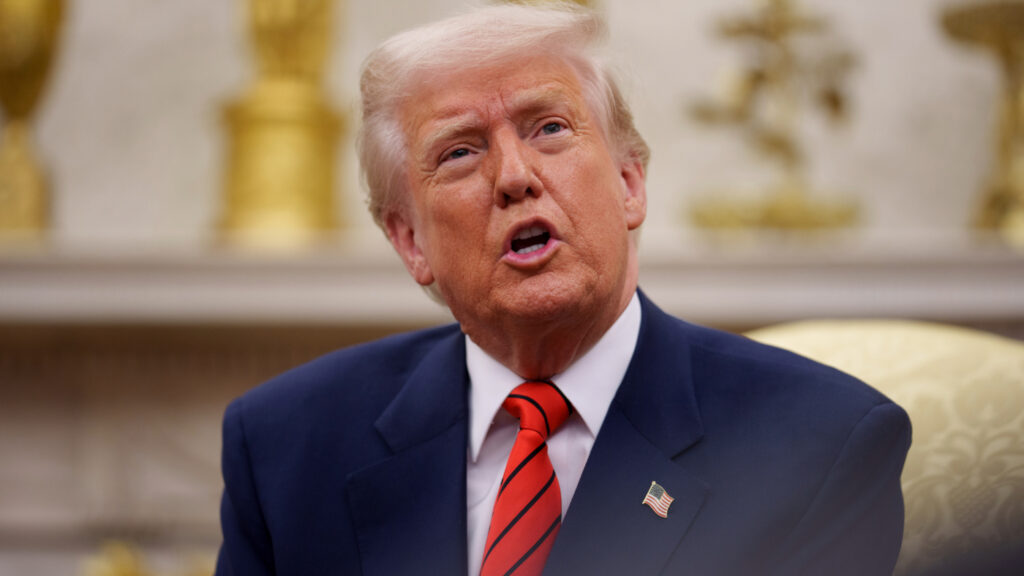
Trump warns federal police: Former President Donald Trump’s strong rhetoric concerning federal law enforcement agencies has consistently captured national attention, leading to widespread discussion about the independence, integrity, and future direction of justice in the United States. His pronouncements, often interpreted as a direct message to those within the federal system, highlight a significant ideological divide regarding the role and accountability of powerful government institutions.
Trump’s Warning to Federal Police
The Rhetoric and Its Intent
Former President Donald Trump has frequently expressed strong opinions regarding federal law enforcement agencies, particularly during and after his presidency. While direct “warnings” to federal police might not always be explicitly phrased as such, his rhetoric has often carried significant implications for these institutions and their personnel. His statements have largely focused on perceived politicization within agencies like the FBI and Department of Justice (DOJ), and a desire for increased loyalty to his administration. This stance has been a consistent theme, aiming to redefine the relationship between the executive branch and federal investigative bodies.
During his presidency, and even in more recent discussions, Trump has at times criticized the leadership and actions of federal law enforcement, especially in contexts related to investigations involving his campaign or administration. This has led to concerns among some about the potential for political interference in independent law enforcement operations. Observers have noted that such criticisms could be interpreted as a warning to federal agents and officials that their actions would be scrutinized through a political lens, potentially impacting morale and independence within these agencies. The underlying message often suggests a need for these agencies to align more closely with the executive’s vision, rather than operating with complete autonomy, a concept that fundamentally challenges traditional notions of an independent justice system. This perspective views agencies not as impartial arbiters of justice, but as instruments that should serve the administration’s broader agenda.
Implications for a Future Term
Looking ahead to a potential future term, Trump’s expressed desire for greater control over the federal bureaucracy, including law enforcement, suggests significant shifts could be in store. Discussions around a “unitary executive” theory and the increased power of the presidency could reshape the relationship between the White House and federal agencies. This might involve replacing a substantial number of civil servants with politically appointed individuals, potentially leading to a more politically aligned federal police force. Such changes could lead to a re-evaluation of agency priorities and operational independence. The implications of these potential actions include concerns about the erosion of institutional safeguards and the politicization of justice, while supporters might argue for increased accountability and alignment with presidential directives. The debate centers on whether such changes would enhance accountability and streamline governance, or conversely, undermine the foundational principles of an impartial justice system. The perceived need to make federal law enforcement more responsive to presidential directives underscores the phrase: Trump warns federal police.
Background on Federal Police
Foundations and Evolution of Federal Law Enforcement
The landscape of federal law enforcement in the United States is vast and complex, comprising numerous agencies with distinct mandates, histories, and jurisdictions. Agencies like the Federal Bureau of Investigation (FBI), the Drug Enforcement Administration (DEA), the Secret Service, the Bureau of Alcohol, Tobacco, Firearms and Explosives (ATF), and various components of the Department of Justice (DOJ) and Department of Homeland Security (DHS) collectively represent the federal police apparatus. Their origins trace back to various periods in American history, often evolving in response to national crises, new forms of crime, or shifts in societal priorities.
For instance, the FBI, established in 1908 as the Bureau of Investigation, grew out of the need for a national investigative body to address interstate crimes and threats to national security. Its mandate expanded significantly over the decades, becoming the primary federal agency for investigating a wide range of federal crimes. Similarly, the DEA was created in 1973 to consolidate federal efforts against drug trafficking, reflecting a growing national concern over illicit narcotics. These agencies are designed to enforce federal laws, protect national interests, and ensure public safety across state lines, often complementing or assisting local and state law enforcement. Their roles are critical in maintaining the rule of law on a national scale, addressing crimes that transcend local boundaries, such as terrorism, organized crime, cybercrime, and complex financial fraud.
The Principle of Independence
A cornerstone of the American justice system, particularly concerning federal law enforcement and prosecution, is the principle of independence from direct political influence. This independence is crucial for ensuring that investigations and prosecutions are based on facts and law, rather than political expediency or partisan considerations. The Department of Justice, often referred to as the “people’s lawyer,” is traditionally expected to operate free from White House interference, a norm reinforced by long-standing traditions and ethical guidelines. While the Attorney General is a presidential appointee and political considerations are never entirely absent, there’s a strong institutional expectation that decisions regarding specific investigations and prosecutions should be insulated from political pressure.
This principle aims to prevent the weaponization of justice for political purposes, protecting citizens from arbitrary power and ensuring equal application of the law. It allows federal agents and prosecutors to pursue evidence wherever it leads, even if it implicates powerful political figures. However, the balance between accountability to the executive branch and operational independence is a perpetual source of tension and debate. Critics argue that unchecked independence can lead to unaccountable power, while proponents assert it is essential to prevent tyranny and uphold the rule of law. The discussions around this balance directly inform the context in which a political figure like Donald Trump warns federal police, implying a desire for greater alignment.
Recent Events Leading to Trump’s Warning
Key Investigations and Political Tensions
While no single event specifically triggered a singular “warning” from Donald Trump to federal police, his criticisms and rhetoric regarding federal law enforcement have been a consistent feature of his public life, particularly amplified by a series of high-profile investigations and political events during and after his presidency. These events formed the crucible in which his narrative about a politicized justice system was forged and repeatedly articulated.
Central to this narrative were investigations conducted by the FBI and the Department of Justice that directly touched upon his political campaigns, his administration, and his personal conduct. The investigation into Russian interference in the 2016 election, led by Special Counsel Robert Mueller, was a significant flashpoint. Trump and his allies frequently criticized the FBI’s handling of the initial stages of this investigation, alleging bias and a “deep state” conspiracy against his presidency. Similarly, subsequent investigations, such as those related to classified documents found at Mar-a-Lago, further fueled his public critiques of the FBI’s conduct, with Trump often questioning the necessity, fairness, and motivations behind these law enforcement actions.
The Narrative of Politicization
These investigative activities, alongside other policy disputes and personnel decisions within the DOJ, were consistently framed by Trump and his supporters as evidence of federal law enforcement agencies being “weaponized” against political opponents. This narrative suggested that agents and officials were pursuing politically motivated agendas rather than impartially upholding the law. For example, specific leaks, perceived procedural missteps, or the timing of certain legal actions were often cited as proof of a concerted effort to undermine his administration or his political aspirations.
This constant questioning of integrity and impartiality, particularly from a former President, has significant ramifications. It contributes to a climate of distrust around federal institutions and can lead to a polarized public perception of the justice system. The rhetoric implies that the federal police are not neutral actors, but rather are susceptible to political manipulation, thereby creating a perceived need for a leader to “warn” them against such alleged behaviors. This narrative also provides context for the persistent calls for internal reforms and leadership changes within these agencies, particularly if a future administration aligns with this view. The ongoing public discourse around these events and the resulting politicization of federal law enforcement are key components of understanding why Trump warns federal police.
Responses to Trump’s Statement
Reactions from Political Spheres
Donald Trump’s consistent critiques and implied warnings to federal law enforcement have elicited a broad spectrum of reactions from various political figures, institutions, and the public, reflecting deep divisions within American society regarding the role of government and the justice system. On one side, his political opponents and many legal scholars have vehemently condemned his rhetoric, viewing it as a dangerous attack on the independence and integrity of institutions vital for the rule of law. They argue that undermining public trust in the FBI and DOJ weakens democratic norms, emboldens criminals, and sets a precedent for politicizing law enforcement for partisan gain. Figures from across the political spectrum, including former high-ranking law enforcement officials and constitutional experts, have often voiced concerns that such statements could erode institutional safeguards and make it harder for agencies to perform their duties impartially. This perspective emphasizes the historical importance of insulating investigative bodies from direct political pressure to prevent abuses of power.
Conversely, many of Trump’s supporters and political allies have lauded his stance, viewing his “warnings” as a necessary check on what they perceive as an overreaching and biased federal bureaucracy. They echo his claims of politicization within agencies, arguing that federal law enforcement has indeed been weaponized against conservatives or used to target political opponents. From this viewpoint, Trump’s actions are seen as a courageous effort to hold unaccountable institutions responsible and to realign them with the will of the people, as represented by the elected executive. This segment of the population often believes that federal agencies require significant reform to root out perceived partisan elements and ensure they serve the public fairly. They interpret his strong backing of law enforcement in general terms as a positive, while his specific criticisms of certain agencies are seen as a righteous crusade against internal corruption or bias.
Impact on Law Enforcement Agencies and Public Perception
Within law enforcement agencies themselves, responses to Trump’s statements have been complex and varied. While some individual agents and officers might resonate with his message of strong support for police, particularly at the local level, the leadership and many career professionals within federal agencies often express concern over the public undermining of their institutions. They typically emphasize their non-partisan mission and the professionalism of their ranks, often pushing back against accusations of political bias. Such public criticisms from a former president can impact morale, create an atmosphere of distrust, and potentially complicate recruitment and retention efforts. Federal law enforcement leaders often find themselves in the difficult position of defending their agencies’ independence while also navigating political pressures.
The broader public perception is also significantly influenced, leading to a stark polarization in how federal law enforcement is viewed. A considerable portion of the public, influenced by Trump’s rhetoric, has grown skeptical of agencies like the FBI, viewing them through a political lens and questioning their impartiality. This erosion of trust can manifest in decreased public cooperation with investigations, heightened scrutiny of agents’ actions, and a general skepticism towards official findings. Conversely, others redouble their support for these institutions, viewing them as bulwarks against political interference and essential for upholding the rule of law. The relationship between law enforcement and the public is crucial for effective policing, and any rhetoric that strains this relationship can have long-term consequences on community engagement and overall safety [Source: WorldGossip.net]. The ongoing debate surrounding whether and how much Trump warns federal police has fundamentally reshaped public discourse around justice and accountability.
Potential Impacts on Law Enforcement
Shifts in Priorities and Leadership
Former President Donald Trump’s rhetoric regarding federal law enforcement has raised questions about its potential impact on operational strategies and public trust. While specific “warnings” can vary in their interpretation and direct policy implications, broader themes of distrust in federal institutions and calls for investigations into perceived political weaponization of justice departments could lead to several shifts. One potential impact is a change in federal law enforcement priorities or a re-evaluation of agency leadership if a new administration takes office aligned with Trump’s views. This could result in a pivot from certain investigative focuses or a restructuring of key departments. For instance, an administration prioritizing a “tough on crime” agenda might redirect resources towards street crime, border enforcement, or specific types of national security threats, potentially de-emphasizing other areas like white-collar crime or certain civil rights investigations. Historically, shifts in presidential administrations often bring about changes in the Department of Justice’s enforcement priorities and resource allocation, reflecting the new leadership’s agenda. This power to shape priorities and appoint leaders is a fundamental aspect of executive authority, yet when coupled with rhetoric that Trump warns federal police, it can signal deeper institutional changes.
Beyond specific priorities, the potential for widespread personnel changes, particularly at senior levels, within federal law enforcement agencies is a significant concern for those who advocate for institutional continuity and expertise. A new administration might seek to replace career professionals with political appointees who are more ideologically aligned with the president’s agenda. While presidential administrations always bring in their own people, the scale and scope of such potential changes under a “unitary executive” theory could be unprecedented, potentially disrupting institutional memory, operational effectiveness, and the non-partisan ethos of agencies. Such shifts could also impact the types of cases pursued, the vigor with which certain laws are enforced, and the overall strategic direction of federal policing.
Erosion of Public Trust and Operational Challenges
Furthermore, repeated criticisms of federal law enforcement agencies could erode public confidence in these institutions. When a significant political figure consistently questions the integrity or impartiality of bodies like the FBI or DOJ, it can polarize public opinion and make the work of these agencies more challenging. This could manifest in decreased cooperation from the public in investigations or a heightened sense of scrutiny and skepticism regarding their actions. The relationship between law enforcement and the public is crucial for effective policing, and any rhetoric that strains this relationship can have long-term consequences on community engagement and overall safety. If the public perceives federal agents as politically motivated, it could hinder their ability to gather intelligence, recruit informants, or even conduct routine operations without undue resistance or suspicion. This erosion of trust also extends to the international sphere, where U.S. federal law enforcement agencies often collaborate with foreign counterparts on transnational crime and terrorism. Questions about the stability and impartiality of these agencies could complicate international partnerships and shared intelligence efforts.
Operational challenges stemming from a politicized environment could also include impacts on morale and recruitment. If federal agents feel their work is constantly subjected to political attacks, or that their career advancement depends on political alignment rather than merit, it could deter talented individuals from joining or remaining in these demanding roles. The perception of job insecurity or the politicization of justice could make federal law enforcement a less attractive career path, potentially leading to a brain drain of experienced professionals.
Balancing Oversight and Institutional Integrity
Conversely, some argue that such warnings serve as a necessary check on governmental power, advocating for increased accountability and transparency within federal agencies. This perspective suggests that intense scrutiny, while potentially disruptive, can ultimately lead to reforms and a more just legal system. Proponents of this view believe that federal agencies, like any powerful government entity, need robust oversight to prevent overreach or abuses of authority. From this vantage point, the discussions sparked by Trump’s rhetoric could be seen as a healthy, albeit contentious, debate about the appropriate balance between institutional independence and democratic accountability. However, the balance between legitimate oversight and undermining essential institutions remains a subject of ongoing debate. The political implications of such discourse extend beyond immediate policy changes, potentially shaping the perception and effectiveness of federal law enforcement for years to come. The delicate act of balancing legitimate political oversight with the imperative of institutional integrity is central to understanding the long-term impacts when Trump warns federal police.
Conclusion
Navigating the Future of Federal Law Enforcement
Donald Trump’s rhetoric regarding law enforcement has consistently championed a “tough on crime” approach, emphasizing unwavering support for police officers and advocating for strong measures to maintain law and order. Throughout his presidency and political career, Trump frequently positioned himself as the pro-police candidate, contrasting his stance with those he perceived as critical of law enforcement. This strong backing, often framed as a “warning” against perceived anti-police sentiments, significantly impacted morale and policy discussions within the broader context of policing. His administration often prioritized federal assistance and policies aimed at empowering police, while simultaneously being critical of cities and states that sought to implement reforms or reduce police funding. This created a clear divide, with Trump’s message resonating strongly with law enforcement agencies and their supporters who felt under attack from other political factions. The significance of this stance lies in its profound influence on the national conversation around policing, solidifying a narrative that prioritizes assertive law enforcement and often views calls for reform with skepticism. This approach also fueled discussions about the role of federal government in local policing matters and the balance between civil liberties and public safety [Source: WorldGossip.net]. His declarations reinforced a sense of solidarity among many officers and their unions, who saw his words as a direct affirmation of their challenging work [Source: WorldGossip.net].
The sustained discourse surrounding whether and how much Trump warns federal police highlights a fundamental tension in American governance: the balance between executive authority and the independence of institutions tasked with upholding the law impartially. His criticisms, while seen by supporters as necessary accountability, are viewed by others as a dangerous precedent that could politicize justice and undermine the foundational principles of a fair and unbiased legal system. The potential for shifts in federal law enforcement priorities, leadership, and public trust represents a significant concern for the future of these critical agencies. Ultimately, the long-term impacts will depend on how future administrations and the agencies themselves navigate these pressures, striving to maintain operational integrity and public confidence amidst an increasingly polarized political landscape. The ongoing debate underscores the vital importance of an independent federal police force for the health of democratic institutions and the rule of law.