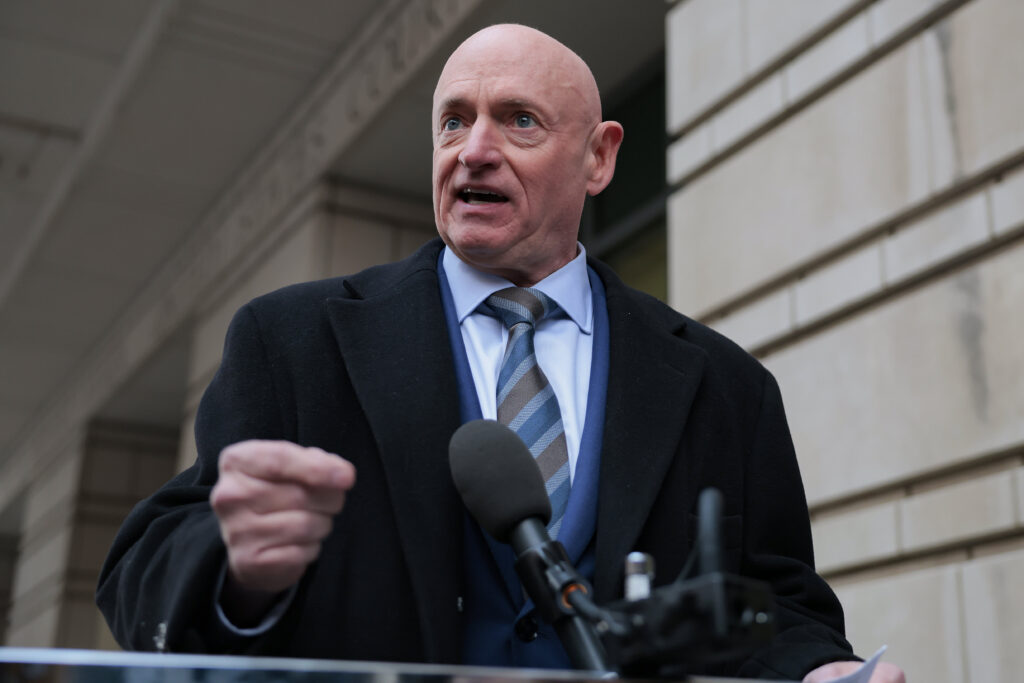
DC Grand Jury Indictment Decision: No Charges for Sens. Kelly & Slotkin
In recent developments, President Donald Trump has publicly criticized six Democratic Congress members for a video that served as a stark reminder to American military personnel about their right to dismiss unlawful commands. This situation intersects with a critical moment in political discourse surrounding the crucial rights afforded to service members in the United States.
Overview of the Situation
The backdrop of this drama involves the insistence of military integrity and accountability amidst tumultuous political landscapes. The video highlighted the necessary legal framework that empowers members of the armed services to reject orders they perceive as illegal or unethical. However, this issue transcends mere military protocol; it has become a focal point in the broader political arena.
Trump’s Reaction and Political Implications
Trump’s reaction to the video was immediate and vocal. He directed his ire toward six Democratic senators, namely Kelly and Slotkin, indicating that their involvement in the dissemination of the video was politically motivated and undermined the integrity of the military. This response underscores the multifaceted nature of military loyalty and the political tensions that often accompany discussions of military ethics.
The political landscape surrounding the DC Grand Jury indictment decision further complicates matters. With no charges filed against Senators Kelly and Slotkin, and given their roles in the current legislative framework, the focus now shifts to understanding the ramifications of this decision both legally and politically.
Military Rights and Responsibilities
Central to the discussion of military orders and legality is an understanding of the rights and responsibilities of service members. The law clearly articulates that servicemembers are protected when it comes to refusing unlawful orders. This protection is fundamental; it ensures that military personnel can act ethically and in accordance with their moral compass even when faced with orders from superiors.
Legal Framework
The legal foundation that enables military personnel to refuse illegal orders is grounded in both domestic and international law. The Uniform Code of Military Justice (UCMJ) lays out the framework for lawful conduct in military settings, making it essential for service members to be aware of their rights. Ignorance regarding these rights can lead to dire consequences, not just for the individual but for the military as a whole.
Ethical Considerations
Beyond the legal perspective, the ethical implications of following or refusing orders are significant. Service members often grapple with the morality of their actions in high-pressure scenarios. Understanding the delicate balance between following orders and adhering to personal and professional ethical standards is vital for maintaining the moral fabric of military life.
The Role of Senators Kelly and Slotkin
Amidst the uproar, Senators Kelly and Slotkin stand at the center of this highly charged narrative. Their actions not only reflect their positions within Congress but also highlight deeper partisan divides concerning military matters.
Legislative Influence
Both senators have considerable sway in the legislative realm, particularly concerning military appropriations and reforms. Their collaboration on initiatives aimed at enhancing military accountability speaks to a broader commitment to ensuring that service members are respected and protected.
Public Perception and Reactions
The public’s response to their involvement and the subsequent video was mixed. While some praised them for advocating for transparency and ethical considerations within military orders, others criticized them for perceived overreach into military matters. This dichotomy illustrates the complex relationship between politics and military governance in the United States.
Implications of the DC Grand Jury Indictment Decision
The DC Grand Jury indictment decision has multiple implications for Senators Kelly and Slotkin. With no charges laid against them, they have a degree of political protection. However, could this decision embolden critics, including Trump, to further scrutinize their actions?
Political Fallout
Without legal consequences, these Senators may perceive this as a green light to continue with their advocacy. Yet, the potential for political backlash looms large. Trump’s outcry will likely resonate with his base and encourage further examination of legislative decisions made by these senators.
Future Legislative Action
Following the Grand Jury’s findings, Senators Kelly and Slotkin could pivot towards more aggressive legislative stances, utilizing their platforms to advocate for military transparency and rights. This situation, though fraught with challenges, could catalyze significant discussions about military ethics in the legislative halls.
Conclusion: Navigating Military Ethics in Politics
As the discourse surrounding military ethics and the refusal of unlawful orders unfurls, the conversations catalyzed by Trump’s criticism and the actions of Senators Kelly and Slotkin will undoubtedly shape legislative priorities going forward.
The military’s integrity hinges on its members’ ability to make ethical choices amid political pressures. The DC Grand Jury indictment decision might have settled the immediate legal questions, but the underlying issues related to moral responsibility and military orders will persist as crucial elements in national conversations regarding defense and ethics.
In summation, the intersection of politics and military order refusal will continue to capture the attention of lawmakers and citizens alike. The unfolding narrative following the DC Grand Jury indictment decision serves as a poignant reminder that the interplay between military integrity, individual rights, and legislative actions is a complex and vital conversation that must continue in the interest of justice and ethical governance.