Indian Stock Market Holiday Schedule 2024: Key Dates and Considerations
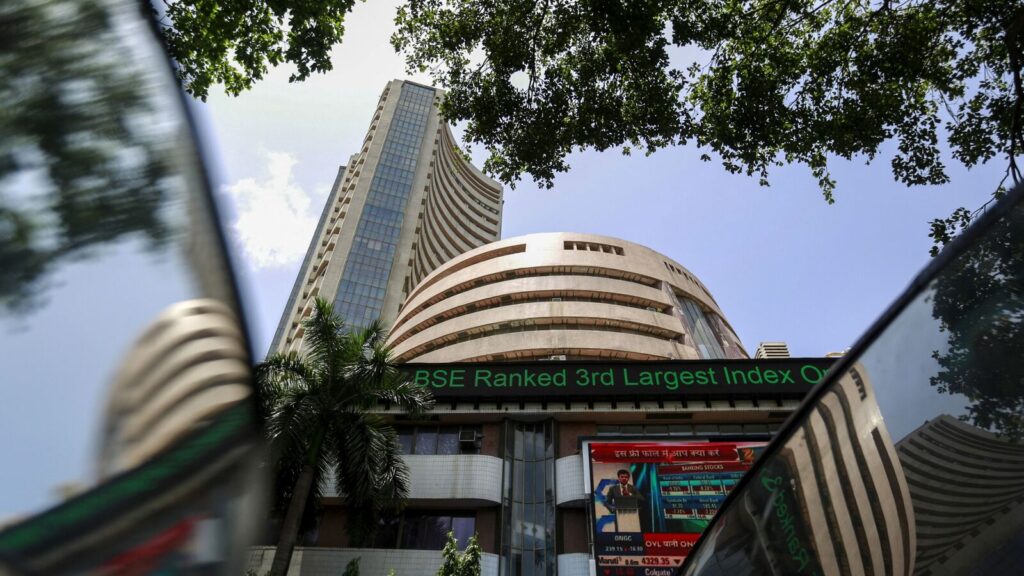
Search Phrase: Indian stock market holiday schedule. For investors and traders participating in the Bombay Stock Exchange (BSE) and National Stock Exchange (NSE), understanding the Indian stock market holiday schedule for 2024 is essential. These holidays influence trading activities, liquidity, and the timing of investments. By planning around these non-trading days, market participants can optimize their strategies and avoid unforeseen risks.
Regular Stock Market Holidays in 2024
In 2024, the Indian stock market holiday schedule includes several full-day closures, aligned with national festivals, public holidays, and religious observances. Both BSE and NSE remain closed for equity, derivatives, and currency trading during these days. Here is a comprehensive list of the scheduled full-day market holidays:
Full-Day Trading Holidays
- January 26, 2024 (Friday): Republic Day
- March 08, 2024 (Friday): Mahashivratri
- March 25, 2024 (Monday): Holi
- March 29, 2024 (Friday): Good Friday
- April 11, 2024 (Thursday): Id-Ul-Fitr (Ramzan Id)
- April 17, 2024 (Wednesday): Ram Navami
- May 01, 2024 (Wednesday): Maharashtra Day
- June 17, 2024 (Monday): Bakri Id
- July 17, 2024 (Wednesday): Muharram
- August 15, 2024 (Thursday): Independence Day
- October 02, 2024 (Wednesday): Mahatma Gandhi Jayanti
- November 01, 2024 (Friday): Diwali-Laxmi Pujan *
- November 15, 2024 (Friday): Guru Nanak Jayanti
- December 25, 2024 (Wednesday): Christmas
*Note: The Diwali-Laxmi Pujan will also feature a Muhurat Trading session — an auspicious, one-hour trading window that will be announced closer to the date. This is a symbolic period for starting new investments, though the primary markets will be closed for the day.
Special Trading Sessions and Festival Effects
During festivals like Diwali and Holi, besides the market closure, Muhurat Trading sessions are held on Diwali, providing an opportunity for investors to execute small, symbolic trades. This traditional session, generally occurring on Diwali itself, offers a unique, auspicious window but is not indicative of overall market activity [Source: MCX India].
Understanding these festival effects is crucial for planning, especially for traders focusing on short-term strategies. For example, during Holi, markets are completely closed, but after the festival, increased trading activity may follow as investors reassess their positions.
Impact of the Indian Stock Market Holiday Schedule on Trading Strategies
Pre-Holiday Positioning
Investors often tailor their trading activities before long weekends or festival holidays to minimize risks associated with low liquidity and potential price volatility. Closing out positions or hedging exposure can help mitigate unforeseen market swings once markets reopen.
Volatility and Liquidity Concerns
During market holidays, trading volume drops, which can lead to wider bid-ask spreads and more volatile price movements when trading resumes. This phenomenon, often called the holiday effect, is well-documented in financial literature and warrants attention [Source: Journal of Financial Economics].
Post-Holiday Market Behavior
Markets sometimes exhibit gaps—significant price jumps—upon reopening, driven by news or events during the holiday period. Investors should stay alert to global developments and economic indicators, especially during extended breaks, which can influence the Indian stock market holiday schedule and market performance.
Additional Considerations: Banking Holidays and Settlement Cycles
Market holidays often align with banking holidays, impacting the settlement of trades and related financial transactions. For example, if banks are closed for a festival, clearing and settlement of securities and payments may be delayed [Source: WorldGossip.net]. It is advisable for investors to account for these non-trading days in their cash flow planning to avoid settlement delays.
Strategies for Navigating Holiday-Induced Market Dynamics
Plan Ahead with the Official Holiday Calendar
The most reliable source for the Indian stock market holiday schedule is the official BSE website and NSE website. These portals publish updated information regularly, preventing surprises and enabling strategic planning.
Adjust Trading and Investment Timelines
Given the potential for increased volatility and reduced liquidity, consider halting or adjusting your trades before major holidays. For example, if a significant economic report is due, waiting until after the holiday can avoid adverse movements caused by low liquidity.
Focus on Long-Term Investment Goals
Short-term noise around holiday periods usually has minimal impact on long-term investors. Instead, these intervals offer opportunities for research and rebalancing, aligning portfolio strategies with market rhythms.
Summary: Mastering the Indian Stock Market Holiday Schedule
Staying aware of the Indian stock market holiday schedule in 2024 provides a competitive edge for investors. By integrating holiday calendars into trading plans, avoiding liquidity pitfalls, and preparing for market gaps, traders can enhance their risk management and capitalize on unique market opportunities. Remember, always verify holiday dates via official exchange announcements and remain flexible to adjust strategies accordingly.
Sources
- Bombay Stock Exchange – Official Holidays Schedule 2024
- National Stock Exchange – Trading Holidays 2024
- WorldGossip.net – Seamless Navigation of Indian Bank Holidays in July
- WorldGossip.net – Are Banks Closed for Muharram on July 7th?
- WorldGossip.net – Bank Holiday July 17: Your Guide
- WorldGossip.net – Important Bank Holidays September 2025
- MCX India – Trading Holidays 2024
- Greenwich Time – Labor Day Market Impacts
- Journal of Financial Economics – Holiday Effects in Markets