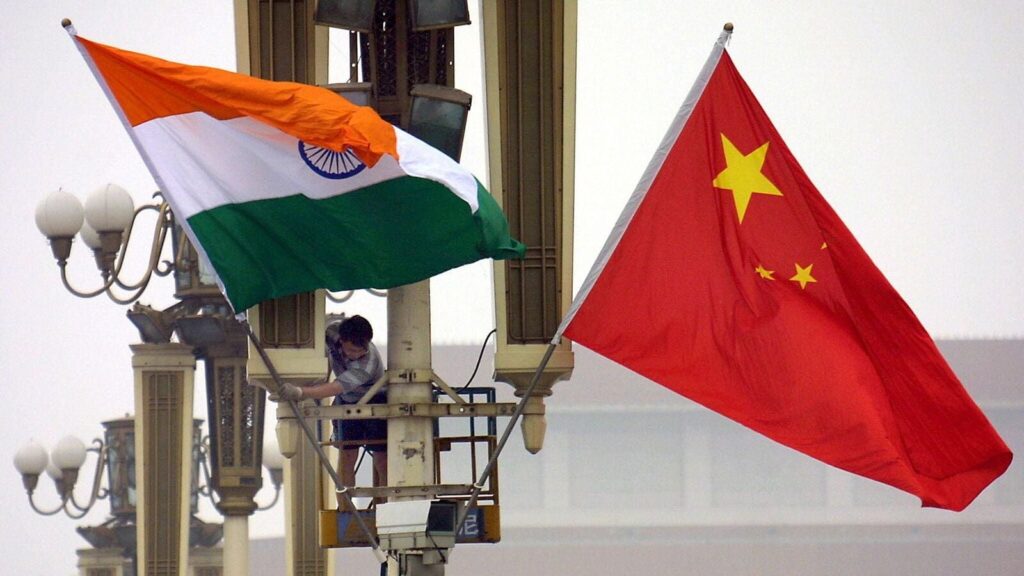
India China Diplomatic Relations: An In-Depth Exploration of Historical and Modern Ties
Search Phrase: India China diplomatic relations. The diplomatic relations between India and China span centuries of complex interactions, influenced by history, geopolitics, and evolving strategic interests. Understanding this relationship requires examining its deep-rooted history, ongoing disputes, and opportunities for future engagement, all within the context of the global stage. Throughout this article, we will explore the intricate relationship between India and China, highlighting the key developments, challenges, and prospects for cooperation.
Ancient Roots: Beyond Borders and Cultural Exchanges
Historical Foundations of India-China Relations
Long before formal diplomatic channels, India and China established profound cultural and economic bonds that shaped their historical interactions. One of the earliest and most significant connections was the transmission of Buddhism from India to China around the 1st century CE. This religious and philosophical movement paved the way for robust cultural exchanges, influencing Chinese art, architecture, and governance, while also fostering a shared spiritual heritage (Britannica – Silk Road).
The Silk Road served as a vital conduit for trade and ideas, facilitating the movement of silk, spices, and precious metals. Monks, scholars, and merchants journeyed along this route, fostering informal but enduring ties that transcended political boundaries (Britannica – Silk Road). These exchanges laid the groundwork for mutual influence and understanding that extended well beyond the ancient period.
Post-Independence: From Aspirations of Unity to Geopolitical Tensions
The Early Optimism and Diplomatic Initiatives
Following their respective independence, India in 1947 and China in 1949 embarked on nation-building journeys, sharing common challenges associated with colonial legacy and regional stability. In this period, both countries expressed a sense of shared destiny through initiatives like the Panchsheel Agreement of 1954. This pact outlined five principles of peaceful coexistence, symbolizing hopes of a harmonious relationship emphasizing mutual respect and non-interference.
Escalation of Border Disputes and the 1962 War
Despite initial optimism, tensions escalated over border issues, chiefly concerning the regions of Aksai Chin and Arunachal Pradesh. Disagreements over territorial sovereignty fueled mistrust, culminating in the Sino-Indian War of 1962. This brief yet intense conflict resulted in significant territorial shifts and plunged bilateral relations into prolonged discord and suspicion (Britannica).
Gradual Reconciliation and the Path to Modern Relations
The Thaw in Diplomatic Ties
After decades of icy relations, a gradual process of normalization began in the late 20th century. Key milestones included Prime Minister Rajiv Gandhi’s visit to China in 1988, which initiated a new phase of dialogue, confidence-building measures, and border negotiations (The Diplomat).
Economic Engagement Amid Persistent Strategic Tensions
In recent decades, economic ties between India and China have strengthened dramatically. China has emerged as a major trading partner of India, with bilateral trade soaring and creating significant interdependence. However, this economic engagement is accompanied by persistent strategic and border disputes, especially along the Line of Actual Control (LAC) (Indian Express).
Border skirmishes, military stand-offs, and differing geopolitical ambitions continue to challenge diplomacy. For instance, recent clashes have tested the resilience of bilateral ties, with both nations deploying troops and military hardware to the border regions (Reuters)). Despite these frictions, India and China remain active in multilateral organizations like BRICS and SCO, reflecting a complex balance of competition and cooperation (WorldGossip.net).
The Web of Geopolitics: India, China, and Russia
Strategic Triad and Global Power Play
- India-China Dynamics: The economic relationship, despite tensions, remains vital, with China being a key trade partner. However, strategic rivalry, especially over influence in South Asia and the Indian Ocean, continues to shape policies. Ongoing border disputes and competition for regional dominance persist (The Diplomat).
- India-Russia Relations: Historically characterized by strategic partnership, particularly in defense, India maintains close military ties with Russia, including arms procurement and joint exercises. Russia also supports India diplomatically, reinforcing India’s strategic autonomy (CFR).
- China-Russia Pivot: These two powers have deepened their strategic alliance, illustrated by expanding trade, joint military drills, and coordinated stances in international forums like SCO and BRICS. Their partnership aims to challenge Western influence and promote a multipolar global order (Carnegie Endowment).
Current and Future Perspectives: Challenges and Opportunities
Opportunities for Mutual Growth
- Economic Collaboration: Both India and China could leverage their economic strength to foster regional development, especially through platforms like BRICS, promoting shared prosperity and sustainable development (WorldGossip.net).
- Climate and Global Governance: As major developing nations, partnering in climate action and advocating for reform in global institutions could elevate their diplomatic influence and contribute to global stability (WorldGossip.net).
- People-to-People Ties: Initiatives promoting educational exchanges, tourism, and cultural collaborations could help bridge misunderstandings and foster goodwill.
Challenges to Address
- Border Disputes: The unresolved territorial issues along the LAC remain a fundamental obstacle to full normalization. Military stand-offs and mistrust hinder progress, requiring sustained dialogue and confidence-building measures (The Diplomat).
- Strategic Competition and Influence: The rivalry for influence in the Indo-Pacific and broader geopolitical arenas adds layers of complexity. China’s Belt and Road Initiative and India’s outreach to Western powers often intersect, creating a delicate diplomatic balancing act (MEA India).
- Trust and Confidence: Building mutual trust remains a long-term challenge, necessitating consistent, transparent engagement and tangible commitments.
Conclusion: Navigating a Complex Partnership
In sum, the India-China diplomatic relationship is a dynamic mosaic of history, competition, and cooperation. While unresolved border issues and strategic rivalry pose significant hurdles, opportunities in trade, climate action, and cultural exchange offer pathways for a more balanced partnership. The future will depend on both nations’ ability to manage disagreements while exploring common interests. Pragmatic diplomacy, coupled with mutual respect, can steer this relationship toward stability and shared prosperity—a goal that holds immense significance for regional and global stability.
Sources
- Carnegie Endowment for International Peace – China and Russia’s Expanding Trade Relations
- Indian Express – India-China Trade Deficit
- Britannica – Silk Road
- Council on Foreign Relations – India’s Evolving Relationship with Russia
- The Diplomat – India-China Relations: New Delhi’s No Normalcy Strategy
- RAND Corporation – China-Russia Strategic Partnership
- Ministry of External Affairs – India and China: Trade and Diplomatic Relations
- WorldGossip.net – BRICS: Global South and Rising Alliances
- Reuters – India-China Border Talks
- Carnegie Endowment – China and Russia’s Expanding Trade Relations