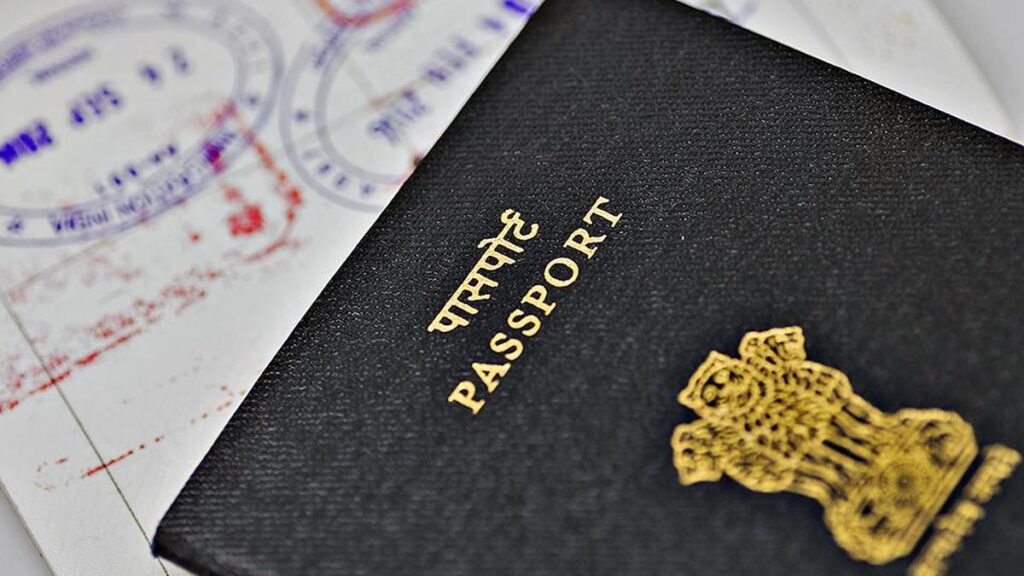
India Passport Ranking 2026: Rises to 75th, Loses 1 Visa-Free Spot
In an important development for international travelers, the Indian passport has ascended in the 2026 Henley Passport Index, climbing ten positions to secure the 75th rank. This rise signifies that Indian passport holders now enjoy visa-free access to 56 nations. This article delves into the implications of this rise for Indian travelers, compares it with other passports globally, and examines trends in passport rankings.
Overview of the Henley Passport Index
The Henley Passport Index serves as a comprehensive ranking of all the world’s passports based on the number of destinations their holders can access without a visa. The index is published quarterly and offers valuable insights into global mobility trends. The latest ranking reflects a dynamic shift in how countries are perceived regarding travel freedom and diplomatic relations.
India’s Rise in the Passport Rankings
Climbing Up the Ranks
The climb in the India passport ranking from the previous year marks a significant improvement. Rising ten places to 75th not only enhances the travel options for Indians but also shines a light on India’s evolving diplomatic relationships worldwide. Countries that foster better ties with India have facilitated easier visa processes, contributing to this upward movement.
Visa-Free Countries
Currently, Indian passport holders can access 56 destinations without the requirement of obtaining a visa beforehand. While the number may have decreased slightly from the previous year—losing one visa-free entry—this still reflects a strong position compared to many other passports, especially in the South Asian region. The adjustments underscore the importance of staying informed about visa processes which can significantly impact travel plans.
Comparison with Other Countries
Regional Context
In the South Asian context, the India passport ranking remains competitive. Countries like Afghanistan and Pakistan lag significantly behind, granting access to far fewer countries without a visa. This adds to the importance of India’s standing as a travel hub in the region and boosts its international reputation. For a deeper look at the economic conditions that might affect passport strength, India’s growth trajectory can provide significant insights.
Global Perspective
When examining the India passport ranking on a global scale, we see significant competition from various nations. Passports from countries like Japan, Singapore, and Germany typically allow access to 190+ destinations, showcasing a stark contrast to India’s capabilities. Nonetheless, various factors contribute to the strength of passport rankings, including economic growth, political stability, and international relationships. Countries focusing on enhancing their diplomatic ties often see their global mobility positively impacted.
Factors Influencing Passport Rankings
Diplomatic Relationships
One of the primary determinants of a nation’s passport ranking is its diplomatic relationships with other countries. India has made strides in strengthening its international ties, reflecting positively on its passport ranking. By promoting bilateral agreements and enhancing international cooperation, India seeks to improve its standing in global mobility effectively. For a closer examination of how these agreements function, consider looking into the bilateral agreements that often facilitate travel opportunities.
Economic Conditions
Economic strength plays a crucial role in how passports are perceived worldwide. Economic stability allows countries to negotiate better travel agreements, resulting in expanded visa-free access for their citizens. India’s growing economic footprint is pivotal in negotiating such favorable terms, as seen in its recent partnerships and trade agreements. These initiatives focus on fostering a stable economic environment that naturally aligns with strengthening its passport ranking.
Security and Political Landscape
Countries with stable political environments and low security risks usually enjoy stronger passports. India’s ongoing efforts to maintain internal security and political stability are essential in boosting the perception of its passport. However, any destabilizing events can negatively affect rankings and international trust. Understanding the dynamics of political stability is key to analyzing potential changes in travel regulations.
Implications for Indian Travelers
Travel Opportunities
With the recent rise reflected in the India passport ranking, Indian travelers can take advantage of newly accessible destinations. Enhanced travel opportunities are crucial not just for leisure but also for business and professional engagements, fostering global connectivity and cultural exchanges. Travelers can expect an uptick in opportunities, especially in regions where tourism infrastructure continues to evolve.
Visa Processes
While losing one visa-free access point could seem like a drawback, the overall improvement in rankings indicates that the visa application processes for many countries may become more accessible. Travelers might benefit from streamlined processes due to the positive perception of the Indian passport. As visa issues can often complicate travel planning, staying informed about visa requirements becomes increasingly important.
Future Travel Trends
As India seeks to improve its passport ranking further, we can anticipate potential diplomatic initiatives that will continue to open doors for Indian travelers. With the global landscape continually evolving, it is essential for travelers to stay informed and adaptable to changes in visa regulations and travel agreements. The growth in travel options will likely mirror India’s economic and political advancements.
Conclusion
The rise of the Indian passport to the 75th position in the Henley Passport Index for 2026 is a noteworthy achievement that reflects India’s growing international stature. While there may be a slight loss of one visa-free access rank, the overall trajectory indicates a positive trend in global mobility for Indian citizens. With the enhancement of diplomatic relations, economic growth, and improved security measures, the prospects for Indian passport holders are promising. As we look to the future, the focus remains on expanding travel access further and ensuring that the India passport ranking continues its upward trajectory.
Sources
- Henley Passport Index – India Passport Ranking 2026
- Bilateral Agreements – Understanding the Importance
- India Tourism Infrastructure – Beauty Meets Functionality
- What is a Visa? 7 Key Facts You Need to Know
- India GDP Growth Outlook – A Resilient Economy
- India-China Diplomatic Relations – History and Future