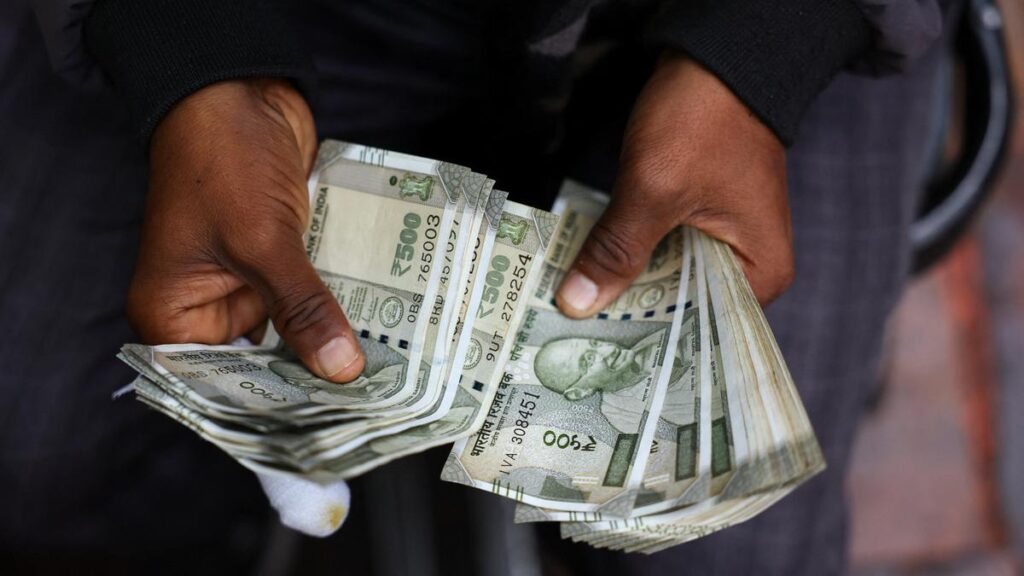
Rupee US Dollar Decline: Falls 6 Paise to 90.95 Today
In the ever-evolving landscape of global finance, fluctuations in currency values serve as a crucial barometer of economic stability and investor sentiment. Recently, the **rupee** has seen a notable decline, falling 6 paise to 90.95 against the US dollar. This decline highlights the challenges facing the local currency amidst a backdrop of domestic equity market instability and concerns surrounding international trade dynamics.
The State of Domestic Equity Markets
The recent downturn in domestic equity markets has been a significant contributor to the rupee’s depreciation. Fluctuating stock prices create a ripple effect that can ultimately affect currency strength. When domestic equities face a decline, investors often adopt a risk-averse stance, leading to a reduction in foreign investment inflows. Consequently, this creates pressure on the local currency.
The negative sentiment in the equity markets can be attributed to a variety of factors, including geopolitical tensions, inflationary concerns, and domestic policy uncertainties. These elements intertwine to create a challenging environment, adversely affecting the currency’s performance. Moreover, when local equities struggle, it further exacerbates the situation for the **rupee**.
Uncertainties Surrounding the India-U.S. Trade Deal
Another contributing factor to the rupee US dollar decline is the uncertainties related to the India-U.S. trade deal. The depth of the economic relationship between India and the United States plays a pivotal role in determining the stability of the rupee. Any indication of stalled negotiations or unfavorable trade terms can breed skepticism among investors, leading to a sentiment of cautiousness that impacts currency valuation.
As trade negotiations continue, the outcome remains uncertain. Markets thrive on clarity; the absence of a solid framework can lead to volatility in both equities and currency markets. Thus, stakeholders are keenly observing developments related to the trade discussions that may hold the key to restoring confidence in the rupee.
The Impact of Foreign Fund Inflows
Amid the challenges stemming from local equity markets and trade negotiations, foreign fund inflows have provided a measure of stability and support to the Indian rupee. When foreign investments flow into the country, they bolster demand for the local currency, mitigating the effects of declines caused by domestic pressures.
Foreign institutional investors (FIIs) play a pivotal role in the Indian economy. Their buying activity often offsets localized currency weaknesses, allowing the rupee to hold its ground in the face of adversity. Investors are continuously weighing market signals, and when they perceive opportunity in India’s long-term growth potential, it reflects in increased capital inflows — a factor that, while supportive, cannot fully counterbalance the pressures from the equity markets or trade uncertainties.
As indicated previously, foreign fund inflows can significantly influence the currency’s performance by generating optimism that can stabilize the rupee.
The Role of Domestic Macroeconomic Indicators
Macroeconomic indicators play an essential role in shaping currency valuation. Analysts closely monitor a plethora of data, including GDP growth rates, inflation figures, and trade balances, as these metrics provide critical insights into the economic landscape.
The rupee US dollar decline represents not just a moment of instability, but a signal of underlying economic conditions. For instance, higher inflation rates can erode purchasing power and diminish the attractiveness of the currency to investors. Conversely, strong GDP growth can bolster confidence and attract foreign investment, supporting the rupee’s value.
As such, fluctuations in the rupee are often reflective of broader economic realities. Policymakers must pay attention to these indicators to gauge the impact of their decisions on currency strength.
Global Economic Context
The rupee US dollar decline cannot be viewed in isolation. The performance of the Indian rupee is influenced by broader global economic trends and conditions. For instance, movements in the US dollar itself, driven by interest rate decisions by the US Federal Reserve, can contribute significantly to currency fluctuations.
When the dollar strengthens globally, emerging market currencies, including the rupee, often face downward pressure. This interconnectivity underscores the importance of monitoring international economic activities and policies in understanding currency movements. Investors who are attuned to such shifts can best navigate the market landscape and make informed decisions.
Furthermore, the external environment, particularly concerning emerging market currencies, necessitates that stakeholders remain vigilant in adapting their strategies and understanding the exchange rate fluctuations of the rupee against the dollar.
The Outlook for the Rupee
Looking ahead, stakeholders remain focused on the potential trajectory of the rupee against the US dollar. The combination of domestic challenges and global economic developments will dictate currency performance in the short to medium term.
Key considerations will include the outcome of trade negotiations, the reactions of foreign investors, and the performance of local equities. All of these factors will shape the perception of the rupee’s stability and value. As such, ongoing attention to policy changes, investor sentiment, and market signals will be vital for understanding how the rupee navigates these turbulent economic waters.
Conclusion
The rupee US dollar decline of 6 paise to 90.95 today encapsulates a moment of transition and uncertainty in the financial landscape. As investors grapple with the implications of domestic equity market turmoil and international trade uncertainties, the need for strategic foresight becomes paramount.
Understanding the interconnectedness of various economic elements is crucial for navigating these fluctuations. As the market adapts and evolves, stakeholders are encouraged to remain diligent and informed in their investment strategies. The resilience of the rupee will hinge on continued foreign fund inflows and positive shifts in the economic landscape, underscoring the complex interplay of local and global dynamics that shape currency valuation.