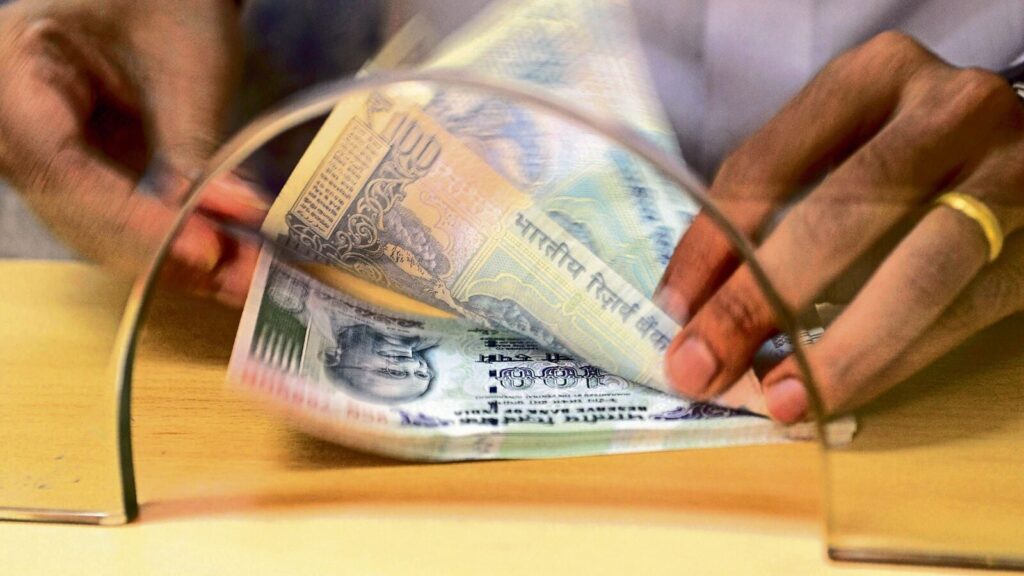
The Emergence of India’s Bad Bank: A Strategic Response to Mounting NPAs
The concept of a “bad bank” represents a critical financial innovation designed to address the pervasive issue of non-performing assets (NPAs) within a nation’s banking system. An **India bad bank listing**, such as the one implemented with NARCL and IDRCL, signifies a deliberate effort to strengthen the financial health of commercial banks and, by extension, the broader economy. At its core, a bad bank is a specialized financial entity established with the explicit purpose of acquiring distressed loans from commercial banks. This strategic centralization of toxic assets allows the original banks to effectively clean up their balance sheets, freeing them from the burden of managing impaired loans and enabling them to refocus on their primary objective of core lending activities. The ultimate goal is to enhance their financial stability and facilitate smoother credit flow, which is vital for sustained economic growth Economic Times – Explained: What is a bad bank and how does it function?.
In the Indian financial landscape, the notion of a bad bank gained significant and urgent traction due to the persistently elevated levels of NPAs, particularly within the public sector banks. These stressed assets have historically acted as a major impediment, constraining the lending capacity of banks and thereby adversely impacting the flow of credit to crucial sectors of the economy. This credit starvation has, in turn, stifled investment and economic expansion. To robustly address this systemic issue, India strategically established the National Asset Reconstruction Company Ltd (NARCL), which is widely referred to as India’s bad bank. This critical institution was formed in partnership with Asset Reconstruction Company (India) Ltd (ARCIL), signaling a collaborative approach to tackling the NPA crisis Business Standard – NARCL, ARCIL partnership clears way for bad bank to begin operations.
The Operational Framework of India’s Bad Bank
NARCL’s primary operational role is to systematically acquire stressed assets from commercial banks. By taking these assets off the banks’ books, NARCL effectively frees up their capital, allowing them to allocate resources towards fresh lending initiatives. This crucial step is complemented by the India Debt Resolution Company Ltd (IDRCL), a separate but interconnected entity that subsequently handles the resolution and monetization of these acquired assets Livemint – What is NARCL or the bad bank, how will it help in addressing the NPA problem?. The IDRCL focuses on various strategies to recover value from these distressed assets, which can range from negotiating with borrowers for repayment plans to initiating legal proceedings or selling underlying collateral. This two-pronged approach, with NARCL as the acquisition arm and IDRCL as the resolution arm, aims for efficiency and specialization in tackling the complex problem of bad loans.
The establishment of this comprehensive bad bank framework is not merely a technical fix; it is a critical initiative designed to recapitalize banks, significantly strengthen the overall financial system, and actively facilitate economic recovery. By ensuring a smoother and more robust credit disbursement mechanism, the **India bad bank listing** aims to inject dynamism back into the economy, promoting investment and growth. The success of this model is pivotal for India’s future economic trajectory, allowing banks to focus on their core competencies without the perpetual drain of non-performing assets. For a broader context on the financial health of India’s banking sector, further insights can be gained by exploring our article on India’s Banking Margins: Q1 Trends and Outlook, which discusses current trends and future outlooks for banking profitability.
Understanding Bad Banks: Purpose, Structure, and Operational Strategies
A “bad bank” is a specialized financial entity meticulously designed to isolate and manage a commercial bank’s **non-performing assets (NPAs)**, often referred to as distressed or toxic assets. The fundamental purpose of establishing a bad bank is to systematically cleanse the balance sheets of traditional banks. This process allows them to shed the burden of impaired loans and refocus entirely on their core lending activities, unhindered by the drag of problem assets. Such a mechanism is particularly vital during periods of economic instability or financial crises, when NPAs tend to surge, threatening the stability of the entire banking system. By absorbing these problematic assets, a bad bank plays a crucial role in restoring financial health and stability, ensuring that conventional banks can continue to fulfill their essential role in credit provision.
Varying Structures of Bad Banks
The structure of a bad bank can manifest in several forms, adapting to the specific needs and regulatory environment of a country. It can be established as a publicly owned entity, funded and controlled by the government; a privately owned entity, driven by market principles and private capital; or a hybrid model, combining elements of both. Often, these entities are structured as an **Asset Reconstruction Company (ARC)** or an **Asset Management Company (AMC)**. These specialized companies purchase the bad loans from commercial banks, typically at a discounted price, reflecting the inherent risk and uncertainty of recovery. The acquisition is commonly funded through a combination of upfront cash payments and the issuance of **security receipts** to the selling bank. These security receipts are financial instruments that entitle the selling bank to a share of the future recoveries made by the bad bank from the underlying assets. This structure aligns the interests of the selling bank with the recovery efforts of the bad bank, as a successful resolution directly impacts the value of the security receipts.
Key Operational Strategies for Asset Resolution
In terms of operation, once a bad bank, such as the **India bad bank listing** of NARCL and IDRCL, acquires the NPAs, its entire focus shifts to maximizing value recovery from these distressed assets. This requires a dedicated and specialized approach, often employing a range of strategies:
Restructuring Loans: This involves negotiating new, more flexible terms with borrowers who are struggling to repay. Restructuring can include extending repayment periods, reducing interest rates, or converting debt into equity. The goal is to make the loan more manageable for the borrower, increasing the likelihood of eventual repayment rather than default. This approach can preserve the underlying business and its economic activity, which is often more beneficial than immediate liquidation.
Asset Sales: For secured loans where borrowers are unable to meet their obligations, the bad bank may resort to selling the collateralized assets. These assets can range from real estate and plant machinery to intellectual property. The objective is to realize the highest possible value from these sales to cover the outstanding debt. This process requires expertise in valuation, marketing, and legal procedures to ensure a smooth and efficient sale process.
Debt Recovery Legal Actions: In cases where negotiation or asset sales are not feasible or sufficient, the bad bank initiates legal proceedings against defaulting borrowers. This can involve litigation to seize assets, enforce guarantees, or pursue bankruptcy proceedings to recover dues. Given the complexities of legal systems, this strategy often requires significant legal expertise and can be time-consuming.
Working with Borrowers: Beyond punitive actions, a proactive bad bank may also provide expertise and strategic guidance to help struggling businesses improve their financial viability. This could involve business turnaround specialists working with management to enhance operational efficiency, reorganize finances, or identify new revenue streams. By helping businesses become healthier, the bad bank increases the chances of loan repayment and preserves economic value.
By effectively transferring these risky assets, the original commercial banks can significantly improve their **capital adequacy ratios** and resume normal lending activities. This improved capacity for credit disbursement serves as a vital stimulus for economic growth. While bad banks, including the **India bad bank listing**, can play an indispensable role in cleansing the financial system, their ultimate success is contingent upon several critical factors: accurate asset valuation to avoid overpaying for distressed assets, efficient recovery mechanisms to maximize returns, and robust governance frameworks to prevent moral hazard and ensure transparency. These elements are paramount for the bad bank to truly serve its intended purpose and contribute to systemic financial stability. For further understanding of banking system trends and their broader economic implications, you can refer to our article on India’s Banking Margins: Q1 Trends and Outlook.
India’s Bad Bank: A Solution to the Mounting NPA Crisis
India’s resolute decision to establish a ‘bad bank,’ officially named the **National Asset Reconstruction Company Limited (NARCL)**, represented a pivotal and strategic move aimed squarely at addressing the persistent and systemic challenge of **Non-Performing Assets (NPAs)** that had long plagued its expansive banking sector. The compelling need for such a specialized entity became increasingly unmistakable as the sheer volume of distressed assets continued to exert immense pressure on the financial health of both public and private sector banks, casting a significant shadow over the broader economy. An effective **India bad bank listing** was seen as the crucial intervention required to break this cycle.
The Pervasive Impact of High NPAs on the Indian Economy
One of the foremost factors necessitating the creation of a bad bank was the **high level of NPAs** that had accumulated over many years. For a considerable period, Indian banks, particularly the dominant public sector banks, grappled with an overwhelming pile of bad loans. These are loans where the borrower has failed to make interest or principal payments for a specified period, typically exceeding 90 days. The relentless accumulation of these non-performing assets had a severe deleterious effect, systematically eroding banks’ profitability and capital. This erosion, in turn, severely constrained their ability to extend fresh credit, thereby directly hindering economic growth and acting as a major drag on India’s considerable economic potential.
The **impact of high NPAs on the economy** was profound and multifaceted, creating a complex web of challenges:
Credit Crunch: Banks, already burdened by the weight of their bad loans, became inherently risk-averse. This heightened caution led to a significant curtailment of fresh lending to vital segments, including businesses and individuals. This pervasive **credit crunch** stifled new investments, decelerated industrial growth across various sectors, and severely hampered job creation. The lack of readily available and affordable credit acts as a direct impediment to economic expansion and innovation.
Reduced Profitability and Capital Erosion: The escalating levels of NPAs necessitated that banks set aside substantial provisions to cover potential losses. These provisions directly impacted their profitability, as they reduced the net income available. A continuous and aggressive rise in such provisions systematically depletes a bank’s capital reserves, making it exceedingly difficult for them to meet stringent regulatory requirements, expand their operations, or absorb future shocks. Furthermore, a bank with a deteriorating asset quality and eroding capital base becomes significantly less attractive to both domestic and international investors, affecting its ability to raise much-needed capital.
Twin Balance Sheet Problem: The NPA crisis in India was frequently characterized as a “twin balance sheet problem,” illustrating its dual impact on both banks and corporations. Heavily indebted companies, often struggling with operational inefficiencies or unfavorable market conditions, found themselves unable to repay their loans, leading to a deterioration of their own balance sheets. Simultaneously, banks suffered from a corresponding and direct increase in bad loans on their books. This interconnected distress created a vicious cycle of financial instability, wherein corporate sector woes exacerbated banking sector stress, and vice versa, significantly impeding overall economic recovery and growth.
Inefficient Use of Capital: Capital that is tied up in non-performing assets is essentially unproductive capital. It generates no income and provides no economic benefit, effectively sitting idle. A primary objective of a bad bank is to actively resolve these stressed assets, thereby freeing up valuable bank capital. This liberated capital can then be re-deployed into more productive lending activities, such as financing new infrastructure projects, supporting small and medium enterprises (SMEs), or fueling consumption, all of which directly stimulate economic activity and foster growth.
The establishment of NARCL, operating in conjunction with India Debt Resolution Company Ltd (IDRCL), was strategically envisioned to centralize the resolution process for large-value NPAs. This centralization allows individual commercial banks to divest their troubled assets and refocus on their core lending activities without the constant diversion of resources to manage these complex and often intractable problem loans. This specialized institutional framework is designed to purchase bad loans from banks, pool them together for efficient management, and then diligently work towards their resolution, whether through comprehensive asset reconstruction, debt restructuring, or, as a last resort, liquidation. This mechanism is anticipated to significantly clean up bank balance sheets, substantially improve their financial health, and ultimately provide a robust foundation for economic revival and sustainable growth in India. The success of the **India bad bank listing** will be a testament to this comprehensive approach. For more granular insights into India’s dynamic banking sector and its performance, readers are encouraged to explore our dedicated article on India’s Banking Margins: Q1 Trends and Outlook.
Governmental and Regulatory Support for India’s Bad Bank Initiative
India has actively and proactively pursued the establishment of a “bad bank” as a comprehensive strategy to address the persistent and systemic issue of **non-performing assets (NPAs)** that has long plagued its vital banking sector. The government’s unwavering support for such a crucial entity culminated in the formal creation of the **National Asset Reconstruction Company Ltd (NARCL)** and the **India Debt Resolution Company Ltd (IDRCL)**. These two entities, often referred to collectively as India’s bad bank, represent a concerted national initiative to consolidate and resolve stressed assets, thereby de-clogging bank balance sheets and crucially freeing up capital for fresh, productive lending. The commitment to this **India bad bank listing** is a clear signal of the government’s resolve.
Substantial Governmental Backing and Financial Guarantees
The governmental backing for both NARCL and IDRCL is substantial and strategic, underscoring the high priority placed on this initiative. In a significant move in September 2021, the Union Cabinet officially approved a government guarantee of an impressive **₹30,600 crore** to NARCL. This guarantee serves a critical purpose: to facilitate the smooth and efficient acquisition of stressed assets from commercial banks Press Information Bureau, Government of India – Cabinet approves continuation of National Export Insurance Account (NEIA) scheme and Government Guarantee for Security Receipts issued by National Asset Reconstruction Company Limited (NARCL). This financial assurance is meticulously designed to cover any potential gap between the face value of the security receipts issued by NARCL to the selling banks and the actual recovery achieved from the underlying distressed assets. It provides an indispensable backstop, instilling confidence in banks transferring their bad loans and ensuring they are adequately compensated. The government’s overarching rationale for this robust support is clear: by centralizing the formidable task of resolving bad debts, individual banks can divest themselves of these burdens and concentrate their resources entirely on their core lending activities, thereby stimulating much-needed credit growth and driving economic recovery. This proactive **India bad bank listing** is a key component of national economic revitalization.
The Pivotal Role of the Reserve Bank of India (RBI)
The **Reserve Bank of India (RBI)** plays an absolutely pivotal role in both regulating and providing ongoing support for the overarching bad bank framework. While the government provides the critical financial impetus and strategic direction, the RBI acts as the primary guardian, ensuring the operational integrity, regulatory compliance, and overall soundness of NARCL and IDRCL. The existing comprehensive guidelines set forth by the RBI for Asset Reconstruction Companies (ARCs) largely govern the meticulous functioning of NARCL. These detailed guidelines cover a broad spectrum of operational aspects, including stringent requirements for **capital adequacy**, thorough **due diligence** in asset acquisition processes, and the structured **resolution process** for all acquired assets. For instance, ARCs are mandated to maintain a specific minimum net owned fund (NOF) and rigorously adhere to prudential norms established by the central bank Reserve Bank of India – Master Circular – Securitisation of Standard Assets and Securitisation of Non-Performing Assets.
Furthermore, the RBI has been instrumental in meticulously shaping the broader regulatory environment that underscored the urgent necessity for a bad bank in the first place. Its sustained efforts to significantly improve asset quality across the banking sector and to systematically strengthen the overall banking system, which includes issuing various directives on transparent NPA recognition and adequate provisioning, have consistently highlighted the critical need for a specialized entity dedicated solely to managing and resolving distressed assets. The strategic establishment of NARCL and IDRCL aligns perfectly with the RBI’s overarching objective of enhancing financial stability and promoting a healthy, robust credit flow throughout the economy. This is particularly pertinent as India’s banking sector has been diligently working to improve its margins and its overall financial health, a topic extensively discussed in our dedicated article: India’s Banking Margins: Q1 Trends and Outlook.
The regulatory support provided by the RBI also extends to ensuring the highest levels of transparency and fair valuation in the intricate asset transfer process. The central bank maintains close oversight and monitors the transactions occurring between commercial banks and NARCL/IDRCL. This rigorous monitoring is designed to prevent any potential moral hazard, ensuring that assets are consistently transferred at a fair and equitable value, accurately reflecting their true economic potential and realistic recovery prospects. This comprehensive governmental and robust regulatory support underscores a concerted, multi-pronged effort to thoroughly clean up the Indian banking sector’s balance sheets and foster a more resilient and trustworthy financial system. The success of this **India bad bank listing** is paramount for long-term economic stability.
Challenges and Risks of India’s Bad Bank Initiative
While the concept of a “bad bank” in India holds significant promise as a viable solution for the nation’s burgeoning volume of non-performing assets (NPAs), its actual implementation and sustained success are fraught with substantial political, financial, and operational hurdles. A thorough understanding of these inherent challenges is absolutely crucial for a comprehensive assessment of its viability and ultimate effectiveness in a complex economic landscape. The effective execution of the **India bad bank listing** is contingent upon navigating these complexities with strategic precision.
Overcoming Political Hurdles
The establishment and, more critically, the effective functioning of a bad bank in India face considerable political complexities that could potentially undermine its intended purpose. One primary and pervasive concern revolves around the potential for undue government interference in the meticulous selection and fair valuation of distressed assets. Political influence, if not meticulously managed, could inadvertently lead to non-transparent processes, potentially favoring certain entities or delaying crucial decisions vital for timely resolution. Such interventions would ultimately undermine the very principle upon which the bad bank is designed to operate – that is, on purely commercial, market-driven principles. There is also a significant risk of **moral hazard**, where commercial banks might become less diligent and prudent in their lending practices, operating under the implicit assumption that a bad bank will consistently absorb their toxic assets. This could inadvertently create a detrimental cycle of financial irresponsibility, where the burden of poor lending decisions is continuously transferred to a public entity. For the **India bad bank listing** to truly succeed, it must be shielded from these political pressures, ensuring its operational autonomy and integrity.
Navigating Financial Hurdles
Financially, the sheer scale of NPAs in India is immense, making the adequate capitalization of a bad bank an absolutely monumental undertaking. Securing sufficient funding, whether sourced from the government, various public sector banks, or discerning private investors, presents a formidable challenge. Furthermore, the **valuation of stressed assets** is an inherently complex process; these assets are often illiquid, lack clear market comparables, and carry significant future uncertainties, making their true economic worth difficult to ascertain. If these assets are acquired at inflated prices, the bad bank itself risks accumulating substantial losses, effectively shifting the financial burden from individual commercial banks to the public exchequer, undermining the very goal of cleaning up balance sheets. Conversely, if assets are valued too low, it could lead to substantial write-downs for the selling banks, negatively impacting their profitability and potentially necessitating further rounds of recapitalization for those banks. The ultimate ability to eventually sell these acquired assets at a profit, or at the very least recover the principal amount invested, constitutes a major financial risk. This recovery is heavily dependent on the trajectory of economic recovery, overall market appetite for distressed assets, and the efficiency of the resolution processes. India’s banking sector has already experienced fluctuating trends in banking margins, as comprehensively detailed in our article on India’s Banking Margins: Q1 Trends and Outlook, highlighting the existing financial sensitivities.
Addressing Operational Hurdles
Operationally, the task of setting up and efficiently running a bad bank demands highly **specialized expertise** in distressed asset management, sophisticated resolution strategies, and robust recovery processes. India currently faces a noticeable shortage of skilled professionals in this highly niche and critical area, which could impede the bad bank’s operational effectiveness. The entire process involves intricate and often cumbersome **legal frameworks** for debt recovery, which in India can be notoriously time-consuming and procedurally complex. The sheer volume of NPAs necessitates the implementation of robust and scalable systems for rigorous due diligence, continuous monitoring of asset performance, and proactive asset restructuring. Moreover, the operational independence of the bad bank from both political pressures and the influence of the wider banking sector is absolutely paramount for its consistent effectiveness. Without highly efficient and independent operational mechanisms, the bad bank risks becoming merely another repository for unresolved bad debts, rather than functioning as an active, dynamic resolution vehicle. The challenges encountered in integrating AI in higher education, as discussed in our detailed article AI Integration in Higher Education: Overcoming the Challenges, broadly illustrate the broader difficulties inherent in implementing complex, specialized entities within India’s diverse and evolving ecosystem, underscoring the need for careful planning and execution for the **India bad bank listing**.
In conclusion, while a bad bank like the **India bad bank listing** certainly offers a promising pathway to effectively clean up India’s banking sector and rejuvenate credit flow, its ultimate success hinges critically on navigating these substantial political, financial, and operational challenges with unwavering transparency, meticulous strategic planning, and unyielding independence. Only through such a concerted and well-executed effort can the bad bank truly fulfill its potential and contribute to a more resilient and robust financial system for India.
Sources
- Business Standard – NARCL, ARCIL partnership clears way for bad bank to begin operations
- Economic Times – Explained: What is a bad bank and how does it function?
- Economic Times – Explained: What are bad banks and how do they work?
- Investopedia – Bad Bank: Definition, Purpose, How They Work, and Examples
- Livemint – What is NARCL or the bad bank, how will it help in addressing the NPA problem?
- Press Information Bureau, Government of India – Cabinet approves continuation of National Export Insurance Account (NEIA) scheme and Government Guarantee for Security Receipts issued by National Asset Reconstruction Company Limited (NARCL)
- Reserve Bank of India – Master Circular – Securitisation of Standard Assets and Securitisation of Non-Performing Assets
- World Gossip – AI Integration in Higher Education: Overcoming the Challenges
- World Gossip – India’s Banking Margins: Q1 Trends and Outlook