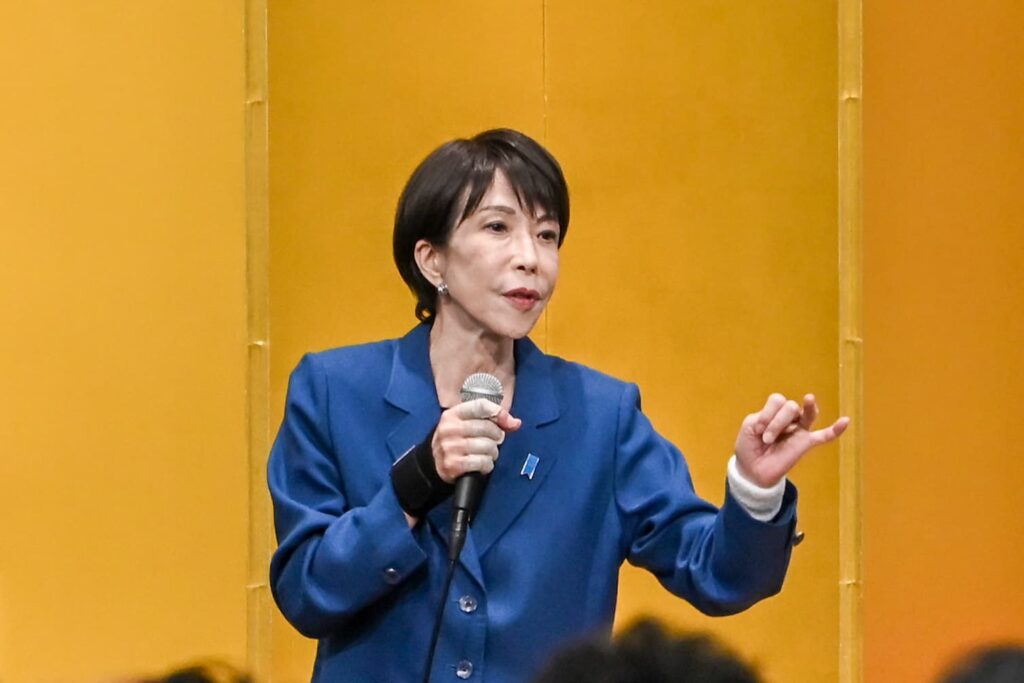
Takaichi Aims for Strong Mandate in Upcoming Election Landslide
In the context of Japan’s political landscape, recent polls indicate a promising outlook for the ruling coalition, which is led by the Liberal Democratic Party (LDP). The coalition appears poised to capture over 300 of the 465 seats in the Lower House, which could significantly affect the nation’s governance and policy-making. This report delves into the implications of these findings, particularly focusing on Takaichi’s aspirations for a robust electoral mandate.
Understanding the Political Landscape
Japan’s political sphere has been traditionally dominated by the LDP, which has fostered policies aimed at **economic growth**, national security, and social stability. As we approach the election, the focus is primarily on Takaichi, a prominent figure within the party whose campaign is centered on securing a strong mandate from voters. The upcoming elections could serve as a litmus test for her leadership approach and the coalition’s ability to address pressing issues facing the nation.
Implications of the Poll Results
The poll results reveal that the LDP-led coalition is likely to consolidate a significant majority, surpassing the 300-seat threshold in the Lower House. Such a victory would not only bolster Takaichi’s position as a leader but also empower the coalition to push forward with its legislative agenda effectively. A strong mandate in this election landslide would enable the government to implement reforms and policies that are essential for Japan’s future, particularly in the areas of economic revitalization and international relations.
Economic Reforms and Fiscal Policies
One of the primary focuses of Takaichi’s agenda is economic reform. With Japan facing challenges such as a shrinking workforce, stagnant growth, and rising debt levels, the need for innovative fiscal policies is crucial. Takaichi’s plans include measures aimed at stimulating the economy, attracting foreign investment, and fostering entrepreneurship. A strong electoral mandate could provide her with the necessary leverage to enact these policies, which are vital for sustaining the nation’s financial stability.
National Security and Defense Strategy
Another pivotal aspect of Takaichi’s campaign is national security. In light of the ongoing geopolitical tensions in the region, the need for a robust defense strategy has never been more paramount. Takaichi aims to reinforce Japan’s self-defense capabilities and enhance its alliances with major powers such as the United States. With a decisive electoral win, she would possess the authority to elevate defense spending and adopt a more assertive stance in international affairs, thereby bolstering Japan’s presence on the global stage.
The Role of Voter Sentiment
The sentiments of Japanese voters are a critical component of the electoral process. As the election approaches, Takaichi’s ability to connect with citizens and address their concerns will be instrumental in securing a strong mandate. Issues such as job creation, healthcare access, and challenges related to an aging population are on the minds of many citizens. Therefore, Takaichi’s campaign strategy must engage these topics actively to resonate with voters and galvanize support for her vision.
Engaging the Younger Demographic
Takaichi’s campaign recognizes the importance of appealing to younger voters, a demographic often disengaged from traditional politics. To navigate this challenge, she has initiated outreach programs, leveraging social media platforms and community engagement initiatives. By directly addressing the aspirations and issues faced by the youth, Takaichi seeks to forge a connection that could turn into a strategic advantage in the elections.
Combating Climate Change
Addressing climate change is another pillar of Takaichi’s platform. As young voters increasingly prioritize environmental issues, her commitment to sustainable development and green technology can reinforce her appeal. By articulating a clear and actionable plan to combat climate change, Takaichi not only enhances her standing among environmentally conscious voters but also aligns Japan with global sustainability standards.
Strategic Campaign Moves
To achieve a strong mandate in the upcoming election landslide, Takaichi has strategically positioned herself and her coalition to capitalize on favorable conditions. By focusing on crafting a clear, concise message that aligns with the interests of key voter blocs, she enhances her chances of victory.
Coalition Unity
The strength of the LDP-led coalition lies in its unity and shared objectives. Takaichi and her allies must effectively communicate their cohesive vision to ensure that voters perceive a united front. Highlighting the coalition’s achievements and outlining future agendas can serve as powerful tools in reinforcing public trust. A clear demonstration of synergy among coalition partners can also prevent voter fatigue and skepticism.
Countering Opposition Criticism
As the election approaches, opposition parties are expected to ramp up their criticism in an attempt to sway public opinion. Takaichi’s campaign must prepare to address these challenges head-on, providing factual rebuttals to unfounded claims and focusing on a narrative grounded in transparency and accountability. By positioning herself as a leader who welcomes scrutiny while steadfastly promoting her agenda, Takaichi can bolster her reputation and solidify her base.
Conclusion: The Path Forward
As the election date approaches, the question remains whether Takaichi can translate the current polling data into tangible success at the polls. With a focused campaign strategy, her path to a strong mandate in the upcoming election landslide appears promising. Addressing core issues, engaging diverse voter groups, and leveraging coalition strength will be crucial in this endeavor. Should she achieve the desired electoral outcome, Takaichi will be well-positioned to implement her vision, fundamentally shaping Japan’s political and economic landscape for years to come.
The stakes are high, and as the landscape shifts, the focus remains on Takaichi’s ability to navigate the complexities of contemporary governance while accurately reflecting the will of the people. The unfolding political drama in Japan serves as a compelling narrative as citizens prepare to exercise their democratic rights in a pivotal election.
Sources
- The Economist – Economic Growth
- Japan Policy Forum – Lower House of Japan
- Japan Policy Forum – Liberal Democratic Party
- Forbes – Job Creation
- World Health Organization – Healthcare Access
- United Nations – Aging Population
- Rand Corporation – Defense Strategy
- Investopedia – Fiscal Policies
- Wikipedia – Green Technology